7 Luxury Branding Tips for Hotels Using Leather Accessories
February 17, 2026
Role of Design in Guest Experience Excellence
February 20, 2026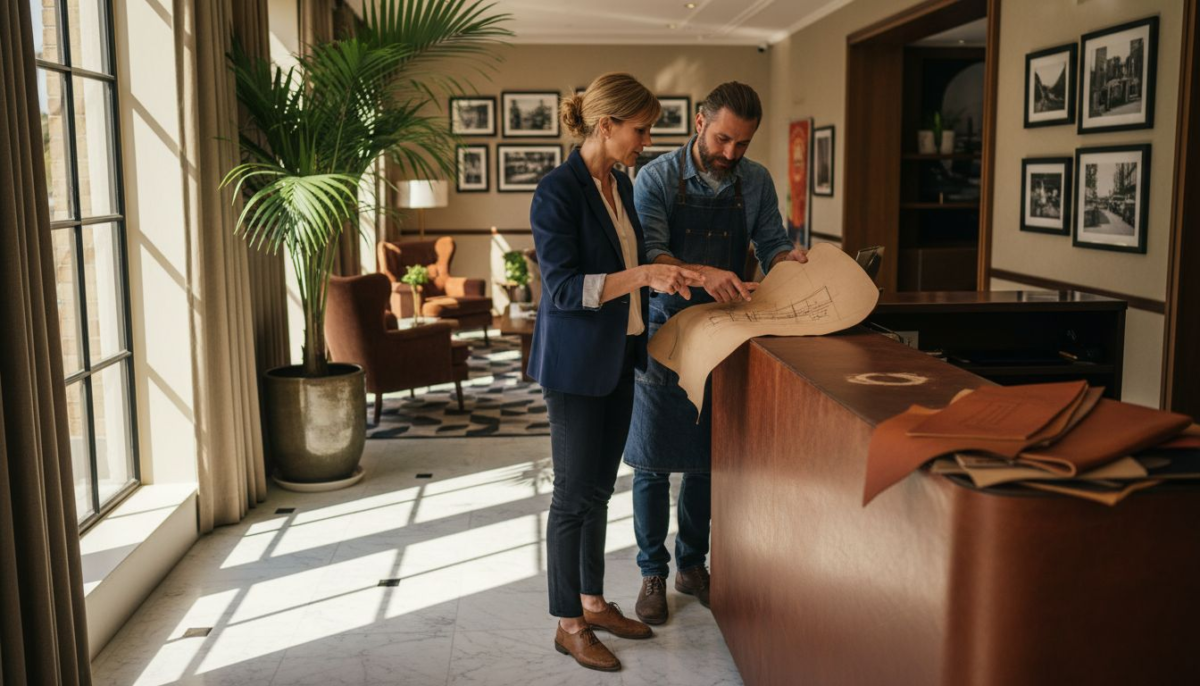
Selecting the right materials can set your venue apart in the discerning London hospitality scene. For luxury hotel managers and boutique restaurant owners, bespoke leather customisation means more than just style. This approach enhances both the aesthetic and sensory experience for guests through carefully crafted items. Discover how luxury and refinement come to life when natural grain, distinctive textures, and expert techniques are combined to reflect your brand’s unique identity and standards.
Table of Contents
- Defining Leather Customisation In Hospitality
- Types Of Bespoke Leather Products Offered
- Key Processes In Custom Leather Creation
- Sustainability And Ethical Sourcing Practices
- Potential Risks, Costs And Common Pitfalls
Key Takeaways
| Point | Details |
|---|---|
| Importance of Leather Customisation | Custom leather products elevate guest experiences by providing a unique, luxurious aesthetic that reinforces brand identity. |
| Collaboration in Design | Effective leather customisation relies on teamwork between hospitality managers and artisans to meet design specifications and functional needs. |
| Sustainability Practices | Ethical sourcing and sustainable production methods are crucial, as they enhance brand reputation and appeal to environmentally conscious guests. |
| Financial Considerations | A cost-benefit analysis is essential to balance unique designs with operational efficiency, ensuring long-term value and quality. |
Defining Leather Customisation in Hospitality
Leather customisation in the hospitality sector represents a sophisticated approach to creating bespoke, personalised environments that elevate guest experiences through carefully selected leather products. This intricate process goes beyond mere decoration, transforming functional accessories into statements of luxury and refinement.
At its core, leather customisation involves selecting and treating leather to match specific design intentions and operational requirements. Unique leather characteristics play a crucial role in this process, including:
- Natural grain variations
- Diverse colour palettes
- Multiple texture options
- Custom finishing techniques
- Durability for high-traffic environments
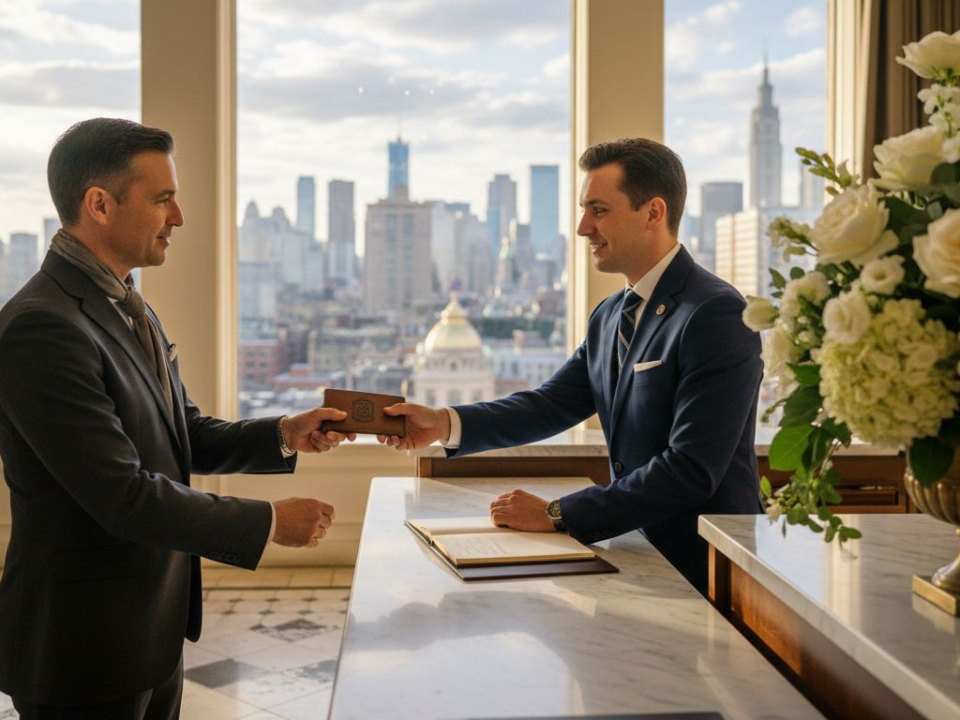
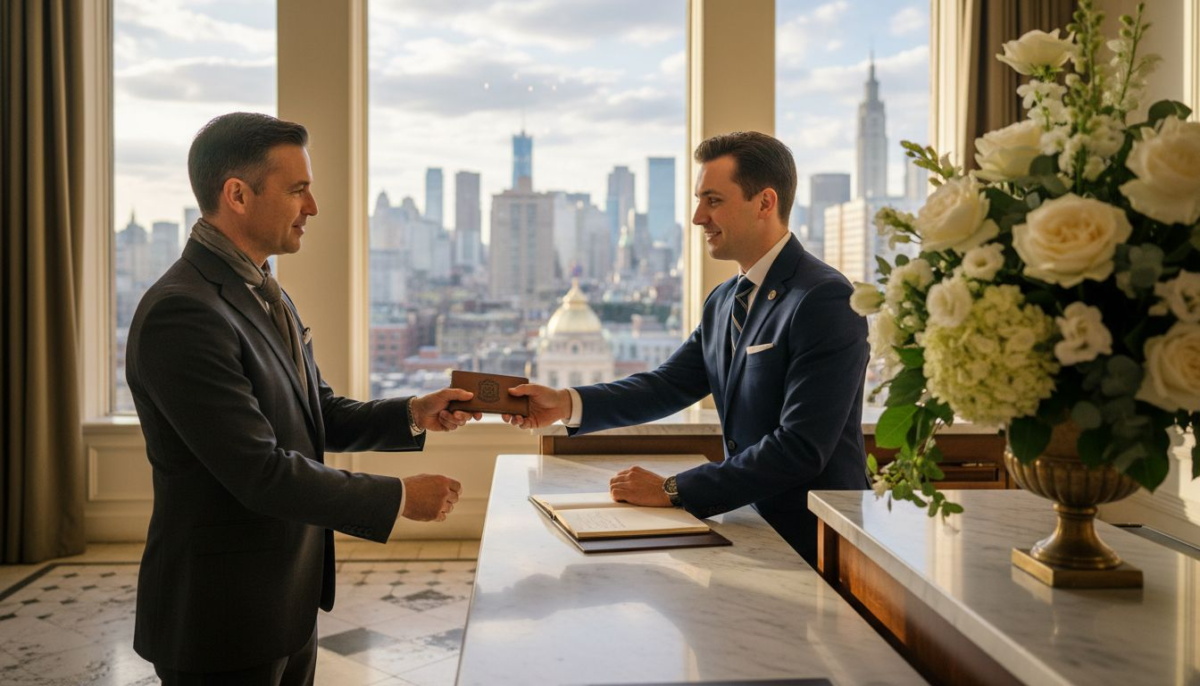
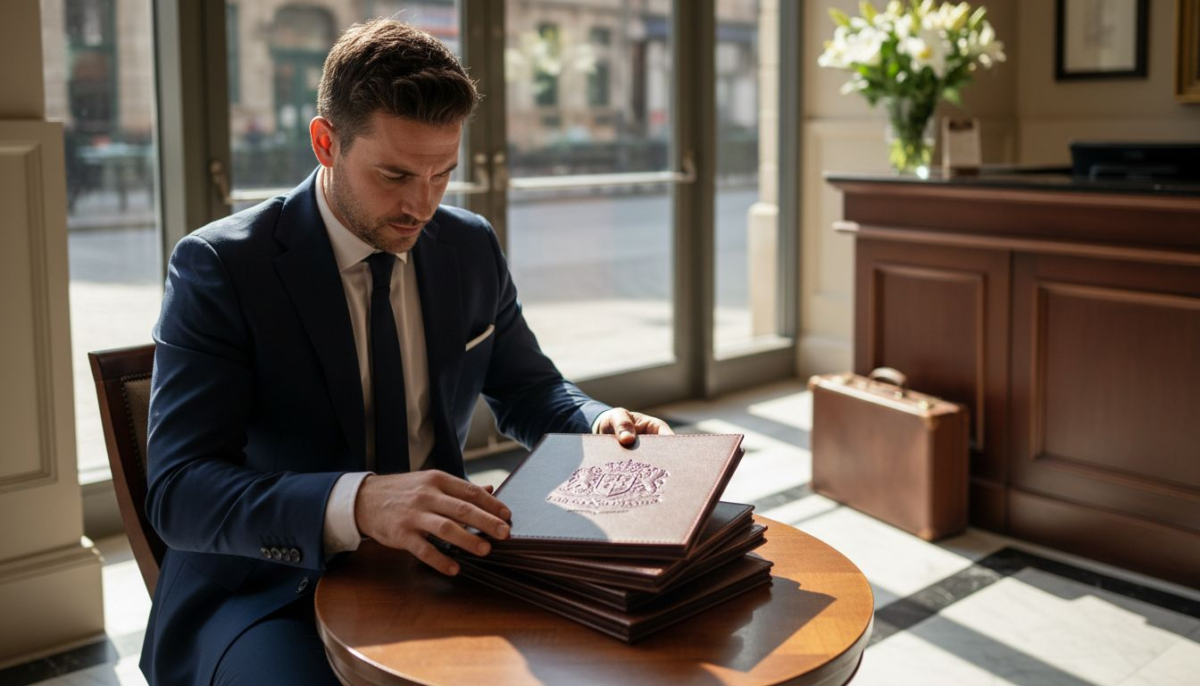
Luxury hospitality venues leverage leather customisation to create immersive sensory experiences that communicate sophistication and attention to detail. Each leather item – from menu covers to reception desk accessories – becomes an opportunity to reinforce the venue’s unique aesthetic and brand identity.
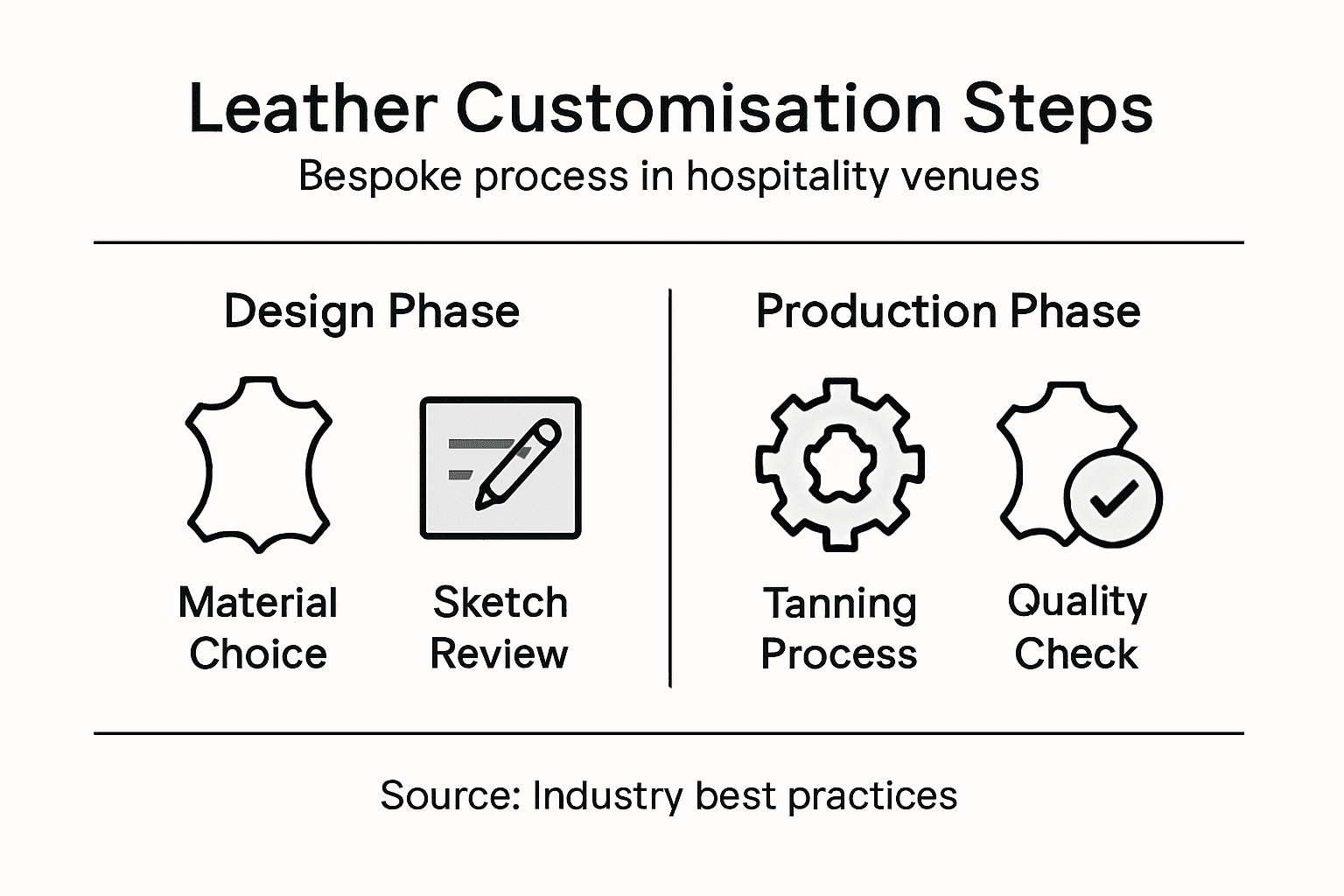
The customisation process typically involves collaborative design between hospitality managers and leather artisans, ensuring that every piece meets precise specifications. This might include matching leather colours to interior design schemes, incorporating logo embossing, or selecting leathers that withstand frequent use while maintaining their elegant appearance.
Pro tip: When selecting leather for hospitality environments, prioritise materials that balance aesthetic appeal with practical durability to ensure long-lasting elegance.
Types of Bespoke Leather Products Offered
Luxury hospitality environments leverage a diverse range of bespoke leather products that blend aesthetic elegance with exceptional functionality. These meticulously crafted accessories are designed to transform ordinary spaces into extraordinary guest experiences, reflecting the venue’s commitment to sophistication and attention to detail.
Performance leather products in high-end hospitality settings encompass a wide array of essential items, including:
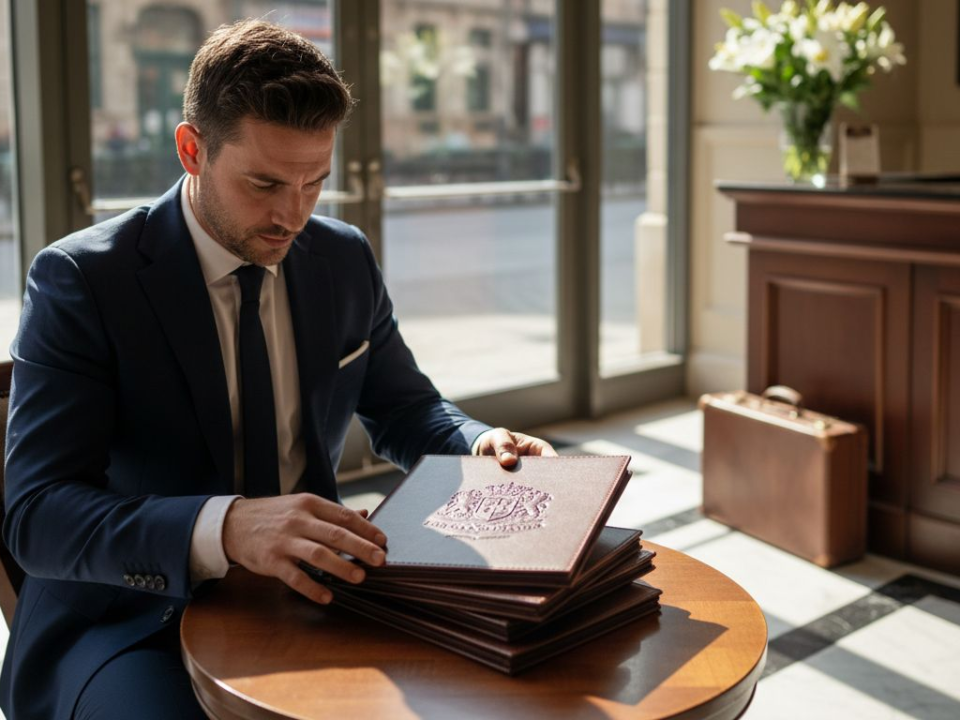
- Menu covers and wine lists
- Reception desk accessories
- Lobby seating upholstery
- Room key wallets
- Coasters and placemats
- Headboards and decorative panels
- Check presenters and bill folders
- Reception area benches
- Luggage tags and document holders
Each bespoke leather product is carefully selected to meet rigorous standards of durability and visual appeal. The customisation process involves choosing specific leather types that can withstand high-traffic environments while maintaining their luxurious aesthetic. Vegetable-tanned leathers, for instance, offer exceptional longevity and develop a rich patina that tells a unique story of the venue’s character.
The selection process considers multiple factors beyond mere appearance, including fire-safety compliance, stain resistance, and maintenance requirements. Specialty leather varieties like buffalo leather are particularly prized for their robust nature and ability to retain elegance under constant use.
Here’s a summary highlighting how key custom leather products contribute to both aesthetics and operational value in luxury hospitality:
| Product Type | Enhancement for Guests | Operational Value |
|---|---|---|
| Menu Covers & Wine Lists | Elevate dining experience | Reinforce branding, protect menus |
| Lobby Seating Upholstery | Deliver tactile comfort | Durable under heavy traffic |
| Room Key Wallets | Create a memorable touch | Organise and secure key cards |
| Reception Desk Accessories | Set tone on arrival | Maintains cohesive design theme |
| Check Presenters & Folders | Suggest attention to detail | Streamline bill handling |
Pro tip: When selecting bespoke leather products, prioritise materials that offer a harmonious blend of aesthetic sophistication, practical durability, and brand-specific design elements.
Key Processes in Custom Leather Creation
Custom leather creation represents a sophisticated blend of artisan craftsmanship and advanced technological precision, transforming raw materials into extraordinary hospitality accessories. The process demands meticulous attention to detail, ensuring each piece reflects the venue’s unique identity and uncompromising quality standards.
Advanced customisation techniques in luxury leather production involve multiple sophisticated stages:
- Sustainable hide selection
- Precision computer-aided design
- Digital texture mapping
- Computerised cutting technologies
- Hand-finishing techniques
- Precision embossing
- Colour and texture customisation
- Quality control inspections
The vegetable tanning process plays a crucial role in creating high-performance leather products. Small batch production methods enable artisans to control every aspect of leather development, from thickness and texture to final finish, ensuring each piece meets exacting hospitality standards.
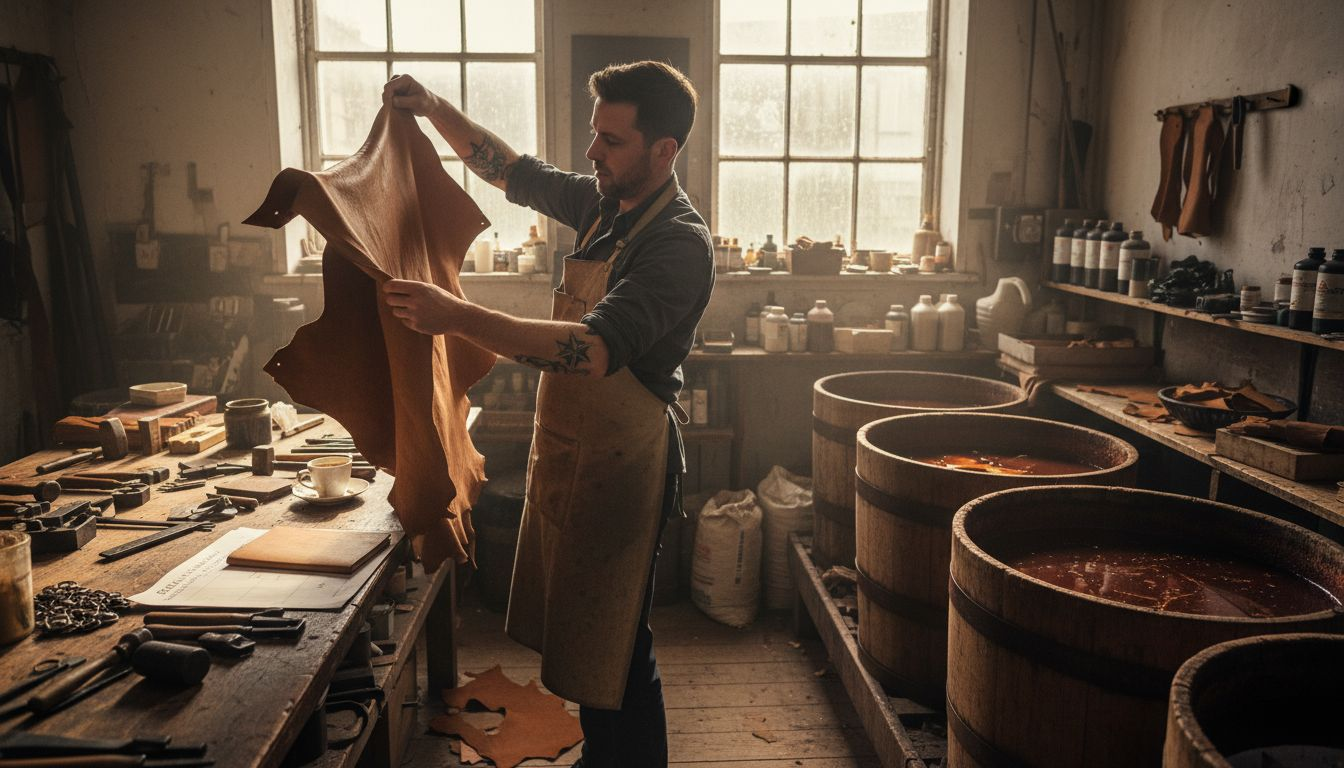
Each leather product undergoes rigorous quality assessments, examining durability, aesthetic appeal, and compliance with fire-safety regulations. The intricate process transforms standard leather into bespoke masterpieces that elevate guest experiences, combining traditional craftsmanship with cutting-edge manufacturing technologies.
Pro tip: Request detailed material specification sheets from leather artisans to understand the precise performance characteristics of your custom leather products.
Sustainability and Ethical Sourcing Practices
Sustainability in leather production represents a critical evolution for luxury hospitality, transforming traditional manufacturing approaches into environmentally responsible and ethically conscious practices. Modern leather artisans are increasingly committed to developing sustainable sourcing strategies that respect both ecological systems and cultural heritage.
Ethical leather research highlights several crucial dimensions of responsible leather production:
- Transparent animal resource management
- Reduced environmental footprint
- Minimised chemical processing
- Responsible waste management
- Support for local communities
- Preservation of traditional craftsmanship
- Carbon-neutral production techniques
- Circular economy principles
The most progressive leather producers now integrate advanced technological innovations with traditional craftsmanship, creating materials that minimise environmental impact while maintaining exceptional quality. These approaches include developing alternative tanning processes that significantly reduce water consumption, implementing renewable energy in production facilities, and prioritising biodegradable and recyclable leather treatments.
Luxury hospitality venues are increasingly demanding comprehensive sustainability credentials from their leather suppliers, recognising that ethical sourcing is not just an environmental imperative but also a powerful statement of corporate responsibility. By selecting leather products with transparent, sustainable origins, venues can demonstrate their commitment to both exceptional quality and global ecological stewardship.
The following table compares sustainability practices in luxury leather sourcing and their business impact:
| Practice | Environmental Benefit | Business Advantage |
|---|---|---|
| Renewable Energy Use | Reduction in carbon emissions | Improves corporate credentials |
| Alternative Tanning Processes | Less water and chemicals used | Meets guest sustainability demands |
| Biodegradable Leather Treatments | Lower landfill impact | Supports green marketing claims |
| Local Community Support | Strengthens regional economy | Enhances supplier relationships |
Pro tip: Request comprehensive sustainability documentation from leather suppliers, including detailed carbon footprint assessments and ethical sourcing certifications.
Potential Risks, Costs and Common Pitfalls
Custom leather production in luxury hospitality involves complex strategic considerations that extend far beyond aesthetic choices. Financial implications and operational challenges can significantly impact a venue’s ability to successfully implement bespoke leather solutions.
Customisation risks in luxury hospitality environments typically manifest through several critical dimensions:
- Increased production costs
- Extended design and manufacturing timelines
- Potential supply chain complexity
- Higher inventory management challenges
- Reduced scalability of custom designs
- Inconsistent quality control
- Substantial upfront investment requirements
- Potential misalignment with brand standards
- Technical integration challenges
The financial landscape of leather customisation demands sophisticated cost-benefit analysis. Hospitality managers must carefully evaluate the potential return on investment, considering not just immediate aesthetic improvements but long-term durability, brand perception, and guest experience enhancement.
Most critically, venues must maintain a delicate balance between unique customisation and operational efficiency. Overemphasis on bespoke design can inadvertently create logistical nightmares, increasing complexity without proportional value. Successful implementation requires strategic planning, clear vendor communication, and robust digital tools to manage custom product development effectively.
Pro tip: Conduct a comprehensive cost-benefit analysis and pilot test custom leather products with a small, controlled batch before full-scale implementation.
Elevate Your Luxury Hospitality Space with Bespoke Leather Solutions
Transforming leather customisation challenges into opportunities for exceptional guest experiences is essential for every luxury venue. If you seek to balance aesthetic sophistication, durability, and brand identity, our handcrafted leather accessories offer the perfect solution. From expertly tailored menu covers to elegant check presenters, Leathera specialises in supplying the UK hospitality sector with premium leather items that combine timeless craftsmanship with sustainable sourcing.
Discover how our bespoke products can meet your needs for functional elegance and operational excellence. Visit Leathera to explore our range and learn why top UK venues trust our commitment to quality and detail. Take the next step now and request a consultation to start customising leather products that impress your guests and enhance your hospitality environment.
Explore our collection and solutions today at Leathera.co.uk and experience the seamless integration of luxury and practicality through expert leather customisation.
Frequently Asked Questions
What is leather customisation in luxury hospitality?
Leather customisation involves selecting and treating leather to create bespoke products tailored to the aesthetic and operational needs of luxury hospitality venues, enhancing guest experiences through personalised design elements.
What types of leather products can be customised for hospitality?
Common bespoke leather products for hospitality include menu covers, reception desk accessories, upholstery for lobby seating, room key wallets, check presenters, and various decorative items, all designed to blend practicality with elegance.
How does sustainability factor into leather customisation for luxury hospitality?
Sustainability in leather customisation focuses on ethical sourcing and environmentally responsible practices, including reduced chemical processing and waste management, which ensure that leather products are both high-quality and environmentally conscious.
What are the potential challenges of custom leather production in hospitality?
Challenges in custom leather production may include increased costs, longer design and manufacturing timelines, supply chain complexities, and the need for rigorous quality control, which can impact the overall operational efficiency of hospitality venues.