
PU vs Genuine Leather Menu Covers (Durability, Cost & Perception)
February 4, 2026
Step-by-Step Guide to Bespoke Hospitality Accessories
February 6, 2026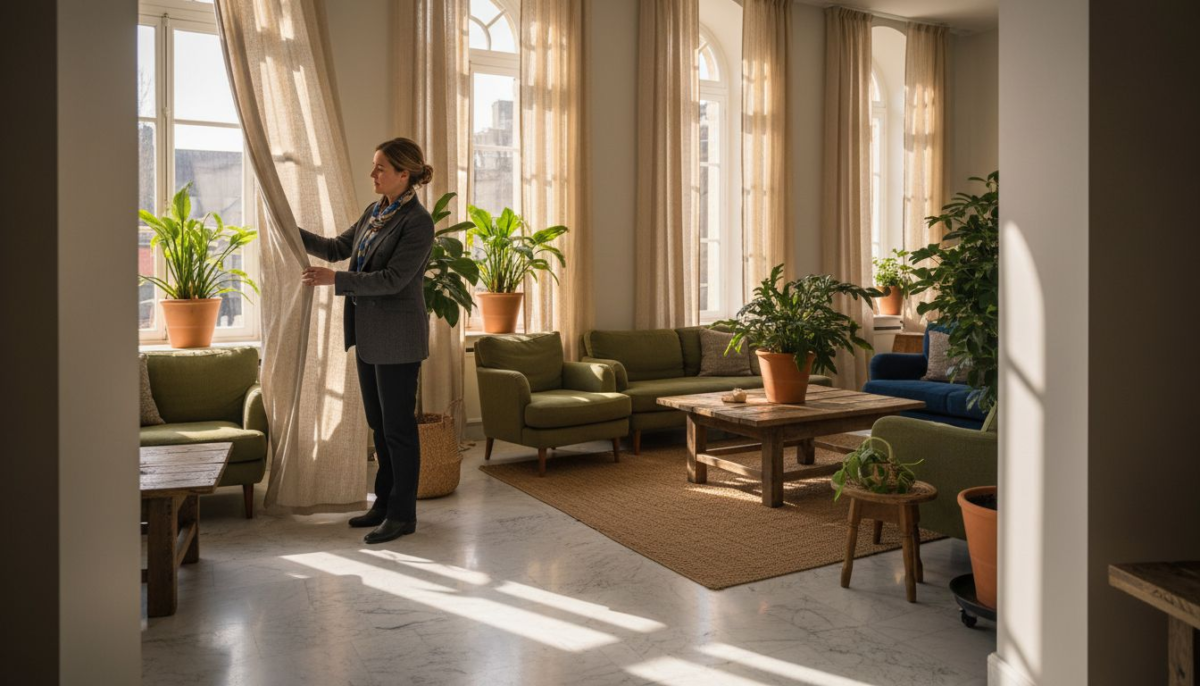
Struggling to meet rising guest expectations while keeping your hospitality venue eco-friendly can feel overwhelming. Balancing luxury and sustainability takes more than good intentions, especially when every detail counts. The right interior choices let you reduce your environmental impact without compromising on style or guest experience.
This list will show you proven, practical steps for luxury venues, drawn from real industry research, that make sustainable design straightforward and achievable. Get ready to discover actionable ideas you can adopt right away that will make your space more responsible, appealing, and future-ready.
Table of Contents
- 1. Choose Ethically Sourced Materials For Decor
- 2. Implement Energy-Efficient Lighting Solutions
- 3. Offer Eco-Friendly Amenities To Guests
- 4. Adopt A Comprehensive Recycling Programme
- 5. Invest In Durable Custom Accessories
- 6. Support Local And Sustainable Suppliers
- 7. Promote Staff Training On Green Practices
Quick Summary
| Takeaway | Explanation |
|---|---|
| 1. Choose ethically sourced materials. | Selecting sustainable decor illustrates commitment to environmental responsibility while maintaining luxury standards. |
| 2. Implement energy-efficient lighting solutions. | Transitioning to LED lighting can significantly reduce consumption and carbon emissions, benefiting both the environment and operational costs. |
| 3. Offer eco-friendly amenities to guests. | Providing sustainable products enhances guest satisfaction and aligns with contemporary traveller values for environmental consciousness. |
| 4. Support local and sustainable suppliers. | Prioritising local suppliers reduces carbon footprints and supports community development, making procurement decisions impactful. |
| 5. Promote staff training on green practices. | Educating staff in sustainability enables effective implementation and fosters an organisational culture focused on environmental responsibility. |
1. Choose Ethically Sourced Materials for Decor
Luxury hospitality venues are increasingly recognising the importance of sustainable design choices that minimise environmental impact. By selecting ethically sourced materials for interior decor, restaurants and hotels can demonstrate their commitment to environmental responsibility while maintaining exceptional aesthetic standards.
The concept of sustainable decor goes far beyond simple aesthetics. Sustainable interior design techniques emphasise selecting materials that actively reduce ecological footprints while preserving design excellence. This approach involves carefully considering each design element’s environmental credentials.
Key considerations for ethically sourced materials include:
- Origin of raw materials
- Manufacturing processes
- Transportation emissions
- Long-term sustainability potential
- Potential for recycling or repurposing
Selecting sustainable materials is not just an environmental statement but a strategic business decision that reflects modern hospitality values.
Materials like reclaimed wood, recycled metals, and locally produced textiles offer exceptional opportunities for creating stunning yet responsible interiors. These choices demonstrate a venue’s dedication to environmental stewardship without compromising on luxury or quality.
When evaluating material sources, prioritise suppliers who can transparently demonstrate their sustainable production practices. Look for certifications such as Forest Stewardship Council (FSC) for wood products or Global Recycled Standard for textiles.
Pro tip: Conduct a comprehensive audit of your current decor materials to identify opportunities for sustainable replacements and gradually transition towards more environmentally responsible options.
2. Implement Energy-Efficient Lighting Solutions
Luxury hospitality venues are increasingly recognising the pivotal role of intelligent lighting design in achieving sustainability goals. Energy-efficient lighting solutions represent a critical strategy for reducing environmental impact while maintaining exceptional guest experiences.
Modern hotels consume substantial electricity through lighting systems. By transitioning to advanced technologies, venues can significantly reduce their carbon footprint and operational costs simultaneously.
Key benefits of energy-efficient lighting include:
- Reduced electricity consumption
- Lower operational expenses
- Decreased carbon emissions
- Enhanced guest comfort
- Improved environmental credentials
Intelligent lighting design is not just an environmental choice but a strategic business investment that delivers measurable financial and sustainability advantages.
LED bulbs offer remarkable opportunities for hospitality venues. These advanced lighting technologies consume up to 75% less energy compared to traditional incandescent alternatives while providing superior illumination quality. Smart lighting controls further enhance efficiency by automatically adjusting brightness levels based on occupancy and natural light conditions.
Implementation strategies for luxury venues include:
- Replace all existing bulbs with LED alternatives
- Install motion sensors in low-traffic areas
- Use programmable lighting management systems
- Incorporate natural light optimisation techniques
Pro tip: Consider conducting an energy audit to identify specific lighting inefficiencies and prioritise your retrofit investments for maximum sustainability impact.
3. Offer Eco-Friendly Amenities to Guests
Today’s luxury hospitality venues are recognising that sustainability is not just an operational strategy but a powerful guest engagement tool. Eco-friendly hospitality practices demonstrate a genuine commitment to environmental responsibility while enhancing guest satisfaction.
Modern travellers increasingly seek accommodations that align with their personal values of sustainability and ecological consciousness. By providing thoughtfully curated eco-friendly amenities, luxury venues can differentiate themselves and attract environmentally aware guests.
Key eco-friendly amenity considerations include:
- Organic and locally sourced toiletries
- Reusable water bottles and drinking vessels
- Biodegradable packaging materials
- Sustainably produced guest room accessories
- Minimalist, low-waste product selections
Sustainable amenities are not just a trend but a meaningful approach to reducing environmental impact while creating memorable guest experiences.
Implementation strategies for luxury venues involve carefully selecting products that minimise waste and support local ecological systems. This might include partnering with local artisans who create sustainable products or choosing suppliers with transparent environmental credentials.
Benefits of eco-friendly amenities extend beyond environmental impact:
- Enhanced brand reputation
- Increased guest loyalty
- Potential cost savings through reduced waste
- Alignment with global sustainability trends
Pro tip: Conduct periodic guest surveys to understand their sustainability preferences and continuously refine your eco-friendly amenity offerings to meet evolving expectations.
4. Adopt a Comprehensive Recycling Programme
Luxury hospitality venues are increasingly recognising that effective waste management is not just an environmental imperative but a strategic business advantage. Comprehensive recycling strategies offer significant opportunities for reducing operational costs and enhancing corporate reputation.
Hotels generate substantial quantities of waste across multiple operational areas including guest rooms, restaurants, conference facilities, and back-of-house spaces. A meticulously designed recycling programme can dramatically reduce environmental impact while demonstrating corporate social responsibility.
Key elements of an effective recycling programme include:
- Clear waste segregation protocols
- Staff training and engagement
- Visible recycling stations throughout the venue
- Partnerships with local recycling facilities
- Regular waste auditing and performance tracking
A well-implemented recycling strategy transforms waste from an operational challenge into an opportunity for sustainability leadership.
Successful implementation requires a holistic approach that encompasses multiple aspects of venue operations. This means creating dedicated spaces for recycling, investing in staff education, and developing clear communication strategies that encourage guest participation.
Strategic recycling programme development involves:
- Conducting a comprehensive waste audit
- Identifying primary waste streams
- Developing targeted recycling interventions
- Establishing clear monitoring mechanisms
- Creating incentive structures for compliance
Pro tip: Consider gamifying your recycling efforts by creating internal competitions and recognition programmes that motivate staff to become sustainability champions.
5. Invest in Durable Custom Accessories
Luxury hospitality venues understand that high-quality accessories are more than mere decorative elements they are strategic investments in sustainability and guest experience. Sustainable hospitality design emphasises creating long-lasting, environmentally responsible interior elements that reflect both aesthetic excellence and ecological consciousness.
Choosing durable custom accessories represents a sophisticated approach to reducing waste and maintaining premium venue standards. By selecting meticulously crafted items designed to withstand extensive use, luxury establishments can significantly reduce replacement frequency and associated environmental impact.
Key benefits of investing in durable custom accessories include:
- Reduced long-term procurement costs
- Minimised waste generation
- Enhanced visual consistency
- Superior guest perception
- Lower environmental footprint
Thoughtfully selected accessories are not expendable items but valuable investments in your venue’s sustainable future.
Custom accessories offer remarkable opportunities for venues to demonstrate commitment to quality and environmental responsibility. Materials like high-grade leather, sustainably sourced wood, and recycled metals provide exceptional durability while maintaining aesthetic sophistication.
Strategic considerations for selecting durable accessories:
- Evaluate material longevity
- Consider maintenance requirements
- Assess environmental credentials of suppliers
- Prioritise timeless design over temporary trends
- Calculate total lifecycle cost
Pro tip: Partner with artisan manufacturers who specialise in creating bespoke, sustainable accessories and can provide transparent documentation about their production processes and material sourcing.
6. Support Local and Sustainable Suppliers
Luxury hospitality venues are increasingly recognising that procurement decisions have profound environmental and social implications. Sustainable sourcing strategies represent a transformative approach to reducing ecological impact while supporting local economies.
Choosing local and sustainable suppliers is more than an ethical choice it is a strategic business decision that delivers multiple benefits for hospitality establishments. By prioritising suppliers with robust environmental credentials, venues can significantly reduce their carbon footprint and create meaningful community connections.
Key advantages of supporting local sustainable suppliers include:
- Reduced transportation emissions
- Enhanced supply chain transparency
- Direct economic support for local communities
- Improved product traceability
- Greater flexibility in sourcing
Supporting local suppliers transforms procurement from a transactional process into a meaningful sustainability strategy.
Successful implementation requires a comprehensive approach to supplier evaluation. This means looking beyond price and considering factors such as environmental practices, labour standards, and overall ecological impact.
Strategic steps for developing sustainable supplier relationships:
- Conduct thorough supplier sustainability audits
- Establish clear environmental performance criteria
- Develop long-term collaborative partnerships
- Implement transparent reporting mechanisms
- Continuously review and improve supplier selection
Pro tip: Create a supplier scorecard that includes sustainability metrics alongside traditional performance indicators to systematically assess and incentivise environmental responsibility.
7. Promote Staff Training on Green Practices
Luxury hospitality venues recognise that environmental sustainability begins with knowledgeable and motivated staff. Staff training in sustainable practices represents a critical strategic investment in creating meaningful operational transformation.
Effective green practice training goes far beyond simple instruction it involves cultivating a comprehensive cultural shift towards environmental responsibility. By empowering staff with deep understanding and practical skills, venues can embed sustainability into every aspect of their operations.
Key areas for comprehensive sustainability training include:
- Energy conservation techniques
- Waste reduction strategies
- Sustainable procurement principles
- Water management practices
- Eco-friendly guest interaction protocols
Transformative staff training turns sustainability from a corporate policy into a lived organisational value.
Successful training programmes should be interactive engaging and directly applicable to staff members daily responsibilities. This means moving beyond theoretical concepts and providing practical skills that employees can immediately implement in their work environment.
Strategic approaches to sustainability staff training:
- Develop customised training modules
- Use interactive learning techniques
- Provide ongoing education opportunities
- Create incentive structures for green practices
- Regularly assess and update training content
Pro tip: Implement a peer-to-peer sustainability champion programme where motivated staff members can share innovative green practice ideas and motivate their colleagues through practical demonstrations.
Below is a comprehensive table summarising the strategies for sustainable practices in luxury hospitality venues discussed throughout the article.
| Strategy | Key Actions | Benefits |
|---|---|---|
| Choose Ethically Sourced Materials | Select sustainable materials like reclaimed wood and locally produced textiles, ensuring suppliers provide transparency and certifications like the FSC or GRS. | Demonstrates environmental responsibility in decor design. |
| Implement Energy-Efficient Lighting | Transition to LED bulbs, install motion sensors, and optimise natural light utilisation. | Reduces electricity usage and operational costs. |
| Offer Eco-Friendly Amenities | Provide reusable water bottles, organic toiletries, and packages with minimal environmental footprint by collaborating with sustainable suppliers. | Appeals to environmentally conscious guests. |
| Adopt a Recycling Programme | Set up waste separation systems, train staff, and partner with local recycling centres. | Reduces waste and enhances corporate responsibility. |
| Invest in Durable Custom Accessories | Choose long-lasting materials for custom decor elements to decrease waste from frequent replacements. | Enhances venue aesthetics with lower environmental impact. |
| Support Local and Sustainable Suppliers | Partner with local vendors and evaluate their environmental practices. | Reduces transportation emissions and supports local economies. |
| Promote Staff Training on Green Practices | Develop interactive training to instil energy conservation and waste reduction habits among staff. | Embeds sustainability into daily operations. |
Elevate Sustainability in Luxury Venues with Bespoke Leather Accessories
The article highlights key challenges faced by luxury hospitality venues aiming to adopt sustainable practices while maintaining superb aesthetics and guest experience. Pain points such as selecting durable custom accessories and supporting ethical sourcing resonate deeply with venues looking to reduce waste and enhance environmental responsibility. At Leathera, we understand the importance of investing in premium, handcrafted leather products that not only enrich your interior design but also align seamlessly with sustainability goals through responsibly sourced materials and exceptional durability.
Transform your venue’s sustainable strategy by choosing leather accessories that embody elegance and ecological consciousness. Discover how Leathera’s bespoke leather items can support your commitment to quality and environmental stewardship. From menu covers to room accessories, each product is designed to last, reducing replacement needs and minimising waste. Take the next step in enhancing guest experiences and reinforcing your venue’s green credentials by exploring our unique handcrafted collection today at Leathera.
Learn more about our sustainable approach and craftsmanship on our homepage and let us help you create interiors that truly reflect your vision for a luxury, responsible venue.
Frequently Asked Questions
How can I choose ethically sourced materials for my luxury venue’s decor?
Selecting ethically sourced materials involves evaluating the origin of raw materials and their manufacturing processes. Assess suppliers for their sustainability certifications and aim to replace conventional materials with options like reclaimed wood or recycled metals within 60 days.
What are the benefits of implementing energy-efficient lighting solutions in a luxury hospitality venue?
Energy-efficient lighting solutions can significantly reduce electricity consumption and operational costs while enhancing guest comfort. Transition to LED bulbs and smart lighting controls to lower energy use by up to 75%.
What eco-friendly amenities should I consider for my luxury venue?
Offer organic toiletries, reusable drinking vessels, and sustainably produced room accessories to engage environmentally conscious guests. Curate a selection that minimises waste and incorporates local products to enhance guest satisfaction.
How can I develop a comprehensive recycling programme in my luxury venue?
Create a recycling programme by establishing clear waste segregation protocols and visible recycling stations throughout your venue. Conduct regular waste audits and engage staff in training to improve recycling participation by at least 30%.
Why is it important to invest in durable custom accessories for my venue?
Investing in durable custom accessories reduces waste and long-term procurement costs while ensuring guests enjoy high-quality experiences. Focus on sourcing materials that are built to last, which can help prevent frequent replacements, saving you money over time.
How can I support local and sustainable suppliers for my venue’s procurement needs?
Support local sustainable suppliers by conducting thorough sustainability audits and establishing long-term partnerships rooted in environmental responsibility. Develop a supplier scorecard to evaluate and incentivise sustainable practices and aim for at least 50% of your sourcing to come from local suppliers within a year.
Recommended
- How to Enhance Restaurant Ambience with Leather Decor – LEATHERA
- PU vs Genuine Leather Menu Covers (Durability, Cost & Perception) – LEATHERA
- PU vs Genuine Leather Menu Covers (Durability, Cost & Perception) – LEATHERA
- Luxury Custom Leather Products for Hospitality in London & UK | LEATHERA
- How to Elevate Guest Experience for Luxury Events Easily – Winelands Function – For Every Occasion, Your Celebration