How to Select Luxury Leather Accessories for Venues
February 27, 2026
Luxury Hospitality Leather Explained: 12% Guest Boost
March 1, 2026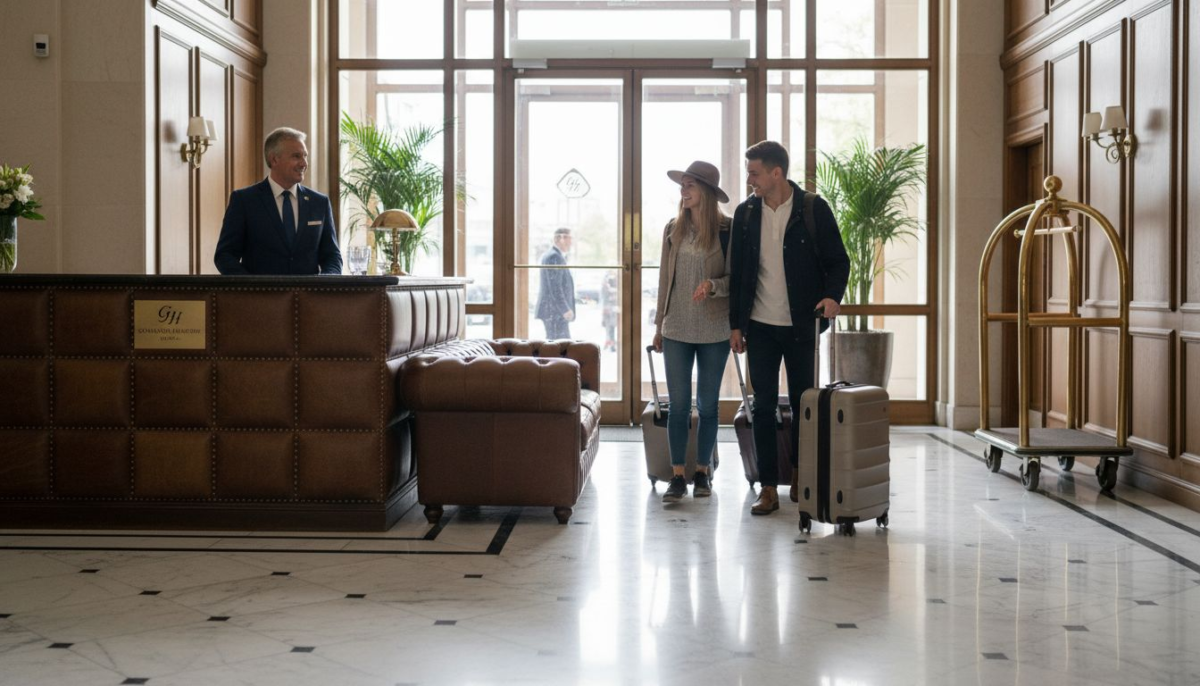
Guests decide whether your venue meets luxury standards in just 7 seconds, influenced almost entirely by decor and ambiance. For hospitality managers overseeing luxury hotels and restaurants in London, this split second judgement profoundly impacts satisfaction, reviews, and repeat business. Bespoke leather decor stands out as a strategic investment that enhances guest experience far beyond aesthetics, reinforcing brand identity and fostering loyalty. This article explores the psychological, functional, and brand dimensions of decor, with actionable insights to elevate your luxury venue through quality leather elements.
Table of Contents
- Introduction To Hospitality Decor Importance
- The Role Of Decor In Shaping Guest Experience
- Psychological Impact Of Decor Elements
- Bespoke Leather Decor’s Role In Luxury Hospitality
- Connection Between Decor And Brand Identity
- Common Misconceptions About Decor Investment
- Trends And Practical Application In Luxury Hospitality
- Conclusion And Strategic Recommendations
- Explore Bespoke Leather Decor Solutions With Leathera
Key Takeaways
| Point | Details |
|---|---|
| Decor shapes loyalty through emotional impact | Guest perceptions and emotional connections form rapidly, directly influencing return rates and referrals. |
| Bespoke leather combines luxury with practicality | Leather offers premium aesthetics alongside durability and simple maintenance compared to fabric alternatives. |
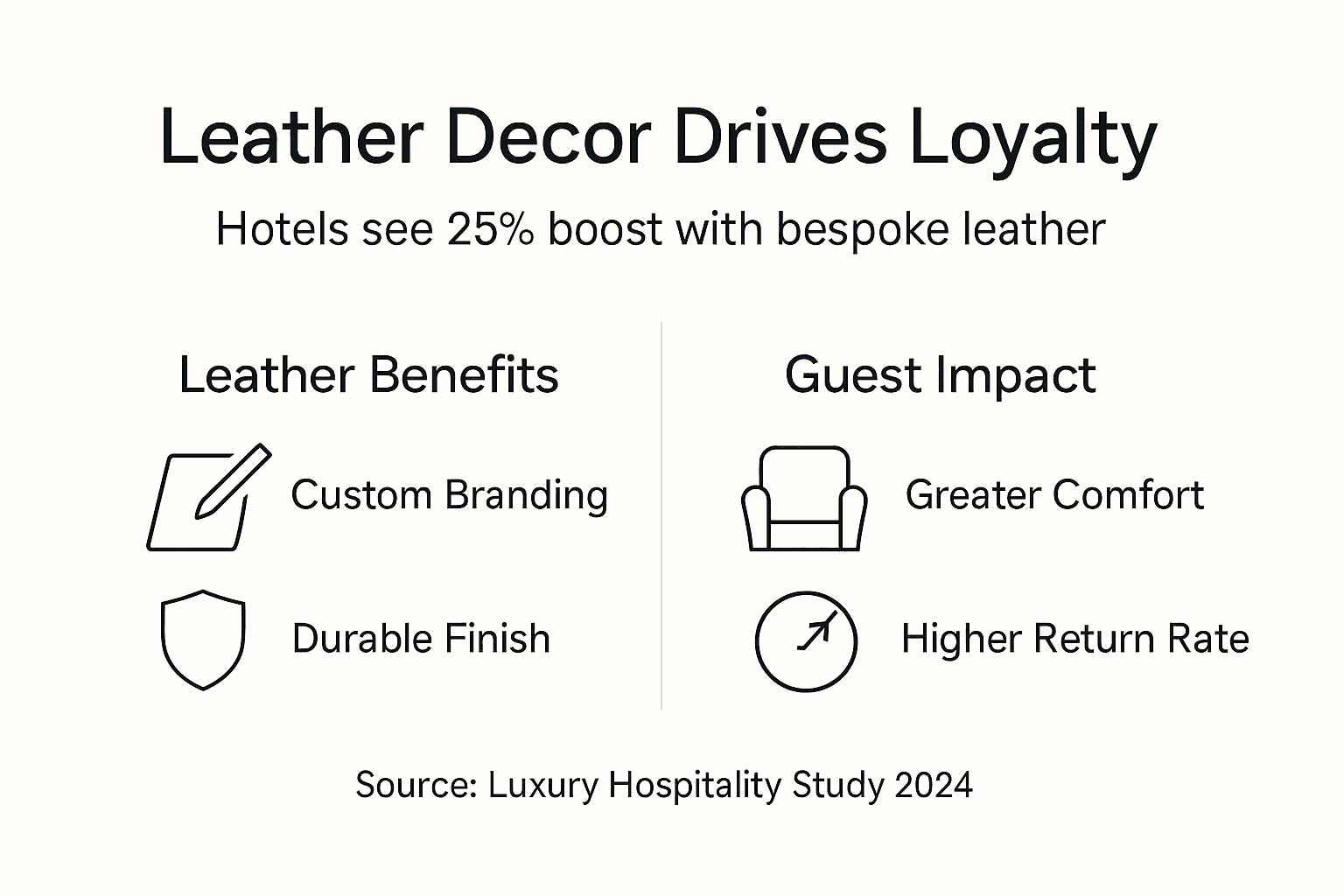
| Brand aligned decor increases repeat guests by 25% | Cohesive design language reflecting brand values can boost loyalty significantly according to industry research. |
| Quality decor improves operational efficiency | Well chosen materials reduce maintenance time and enhance guest navigation, cutting complaints by over 15%. |
| Regular updates sustain positive experiences | Bi-annual decor refreshes correlate with 10-12% increases in positive online reviews and occupancy. |
Introduction to Hospitality Decor Importance
Guest first impressions form within the first 7 seconds of entering your venue, and decor dominates this critical moment. Understanding the role of design in guest experience transforms how venue managers approach interiors. Decor directly shapes mood, comfort, and loyalty, making it central to business success rather than a superficial afterthought.
Hospitality decor must balance aesthetic appeal with functional requirements. High quality decor signals professionalism and meticulous attention to detail, setting expectations before any service interaction occurs. Guests subconsciously read design cues to assess whether a venue matches promised luxury standards.
Venue managers should treat decor as strategic infrastructure rather than mere decoration. Key considerations include:
- Materials that withstand constant use while maintaining visual appeal
- Design elements that guide guest flow and reduce operational friction
- Sensory components, including texture and lighting, that create emotional comfort
- Brand consistency across all touchpoints reinforcing identity
- Maintenance requirements that align with operational capacity
Every decor decision ripples through guest satisfaction metrics, online reviews, and ultimately revenue. The impact of hotel interior design extends from arrival through departure, influencing whether guests become loyal advocates or post disappointing reviews.
The Role of Decor in Shaping Guest Experience
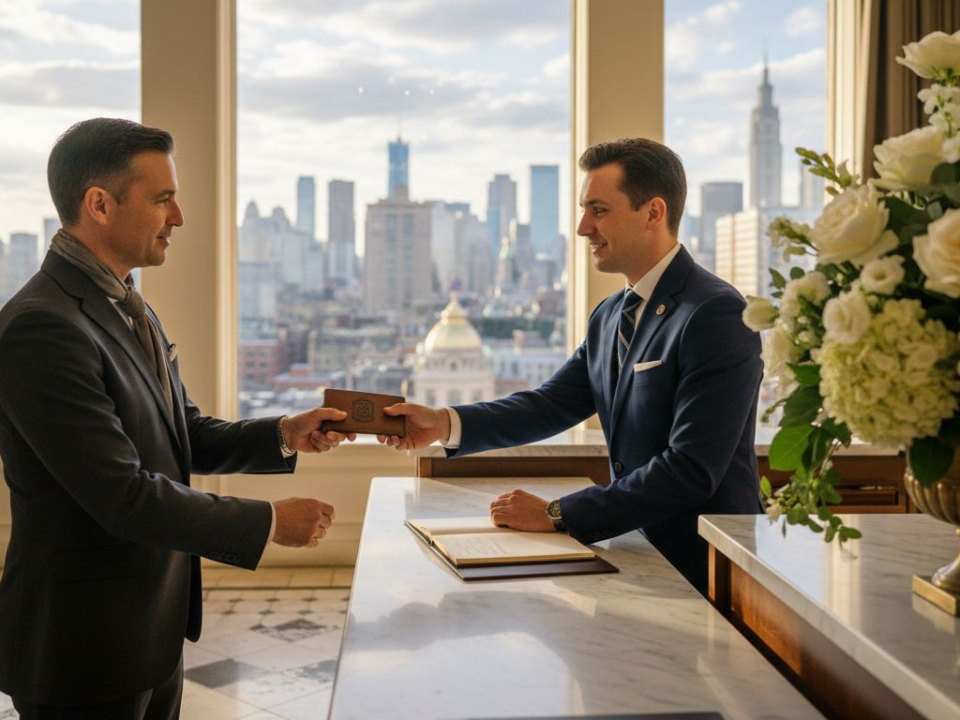
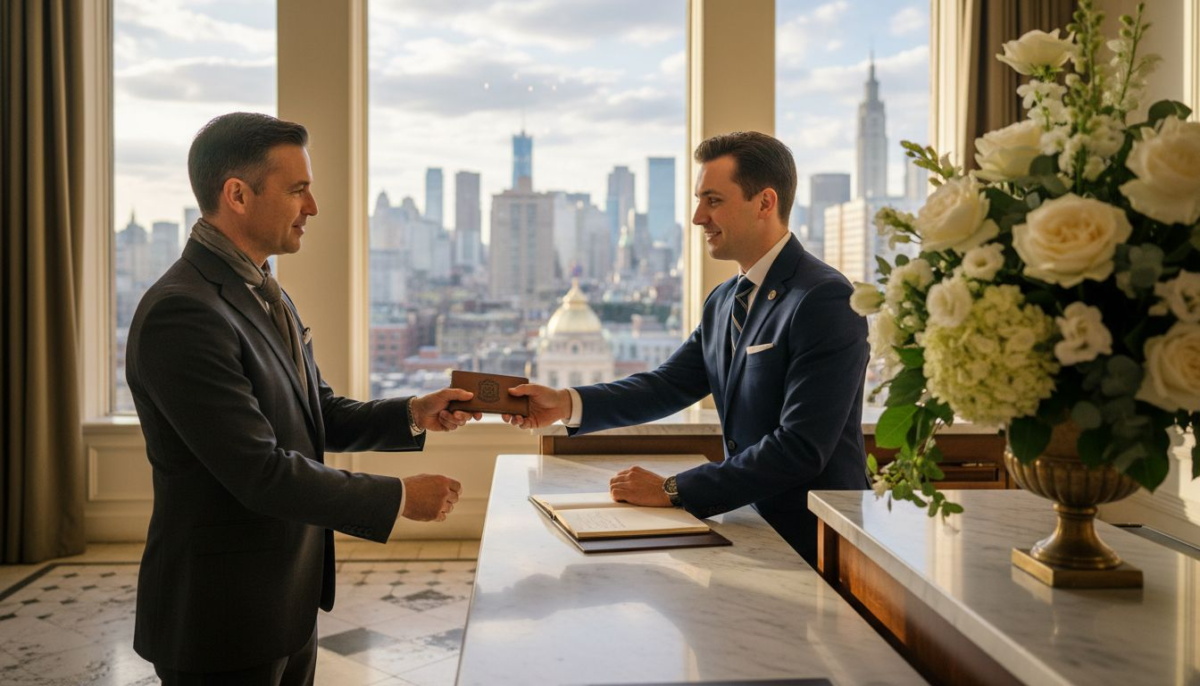
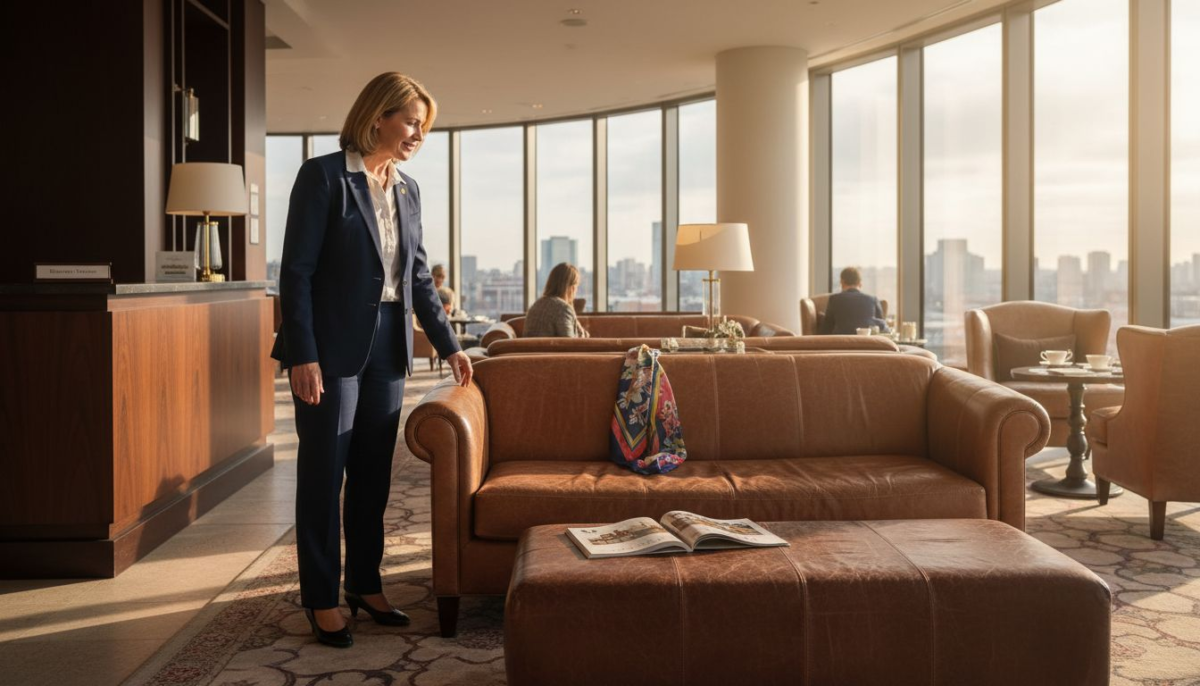
Arrival areas function as silent promises about the experience ahead. Lobby and entrance decor set guest expectations and strongly influence overall satisfaction scores. When the visual language matches or exceeds anticipation, guests relax into trusting your service quality.
Color palettes, lighting schemes, and material choices work together to impact emotions and perceived quality. Guests may not consciously analyze these elements, yet their nervous systems respond immediately. Effective decor anticipates service levels, comforting guests before staff interaction begins.
Positive initial perceptions create halo effects that color subsequent experiences. A guest who feels impressed upon entry interprets ambiguous service moments more charitably. This psychological advantage translates directly to improved review scores and willingness to return.
Decor decisions also affect practical guest behavior. Clear visual hierarchies help guests navigate spaces confidently, reducing the friction that generates complaints. Well chosen materials minimize maintenance interruptions that disrupt stays. Understanding how design influences guest experience means recognizing both emotional and operational dimensions.
Consider these experiential impacts:
- Texture variety engages multiple senses, enriching perceived luxury
- Lighting transitions guide guests through different activity zones naturally
- Material quality communicates investment in guest comfort
- Spatial arrangement either encourages or discourages desired behaviors
- Consistency across areas builds trust through predictable excellence
The cumulative effect shapes whether guests feel truly cared for or merely accommodated.
Psychological Impact of Decor Elements
Color temperature influences mood in measurable ways. Warm tones evoke comfort while cool tones promote calmness, allowing managers to tune spaces for intended activities. Dining areas might feature warmer palettes encouraging relaxation, while business centers benefit from cooler tones supporting focus.
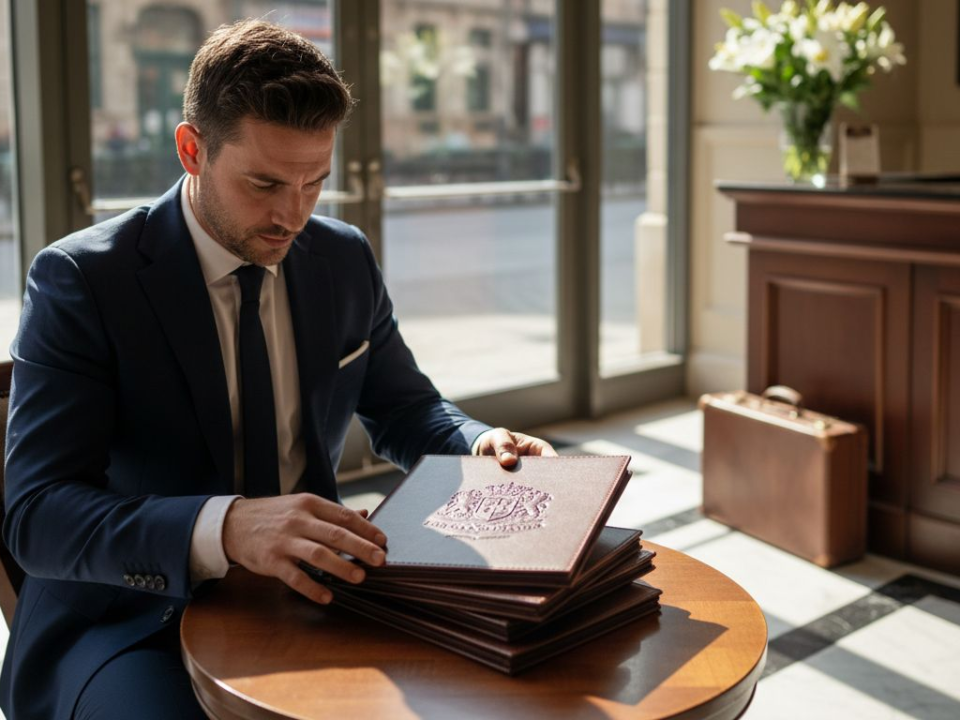
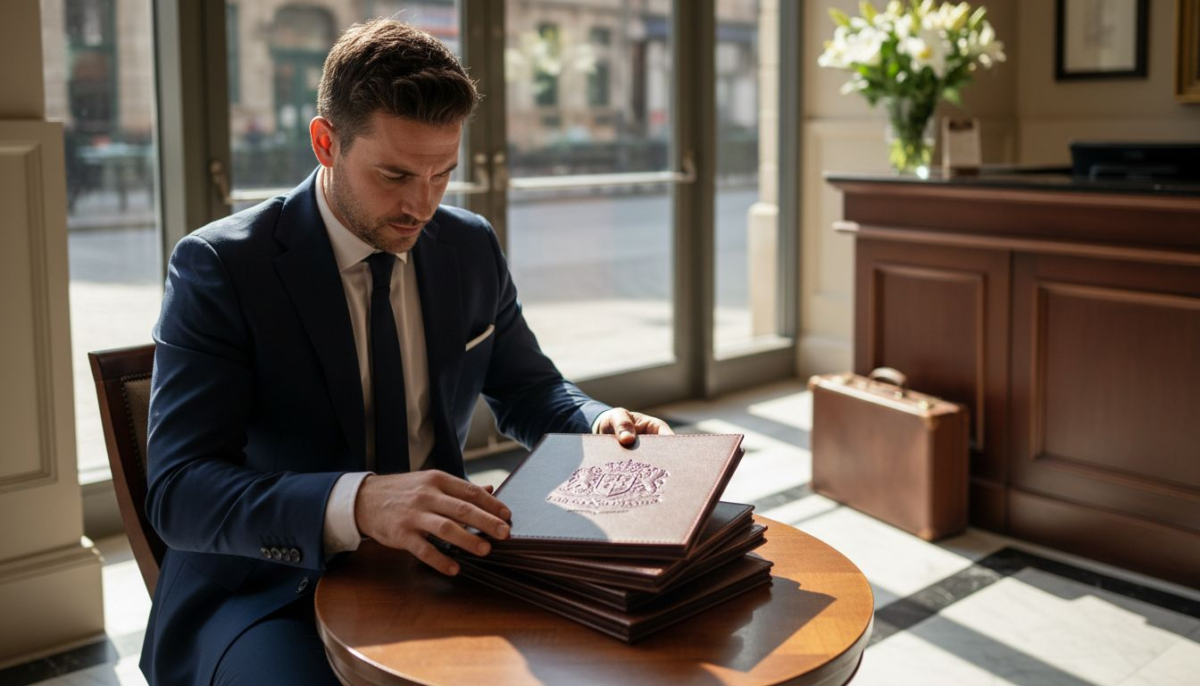
Tactile materials like leather engage senses beyond vision, increasing perceived luxury through multisensory experiences. When guests touch quality leather on menu covers or place mats, their brains register premium craftsmanship more strongly than visual cues alone achieve. This sensory engagement creates memorable moments that distinguish your venue from competitors.
Lighting adjusts ambiance from energizing to relaxing with remarkable precision. Layered lighting schemes allow spaces to transform throughout the day, matching guest needs from breakfast energy to evening intimacy. Poorly planned lighting, conversely, creates discomfort guests struggle to articulate yet certainly feel.
“Design elements work subconsciously on guest psychology, influencing satisfaction before conscious evaluation begins. Materials, colors, and lighting combine to either support or undermine the luxury experience you aim to deliver.”
These psychological effects directly affect guest satisfaction scores and perceived value. Guests willing to pay premium prices expect sensory richness justifying the investment. Strategic decor delivers this richness efficiently:
- Natural materials like leather trigger positive associations with quality and permanence
- Consistent design language reduces cognitive load, allowing relaxation
- Thoughtful lighting prevents eye strain while creating desired moods
- Color psychology guides emotional states suitable for each space function
- Texture variety maintains sensory interest without overwhelming
Designers should intentionally combine elements for cumulative psychological impact supporting guest emotional comfort throughout their stay.
Bespoke Leather Decor’s Role in Luxury Hospitality
Leather decor enhances luxury perception through both texture and visual appeal, engaging multiple senses simultaneously. Custom leather accessories signal premium quality and craftsmanship while offering practical advantages over fabric alternatives. The material’s natural variations create visual interest that synthetic materials cannot replicate.
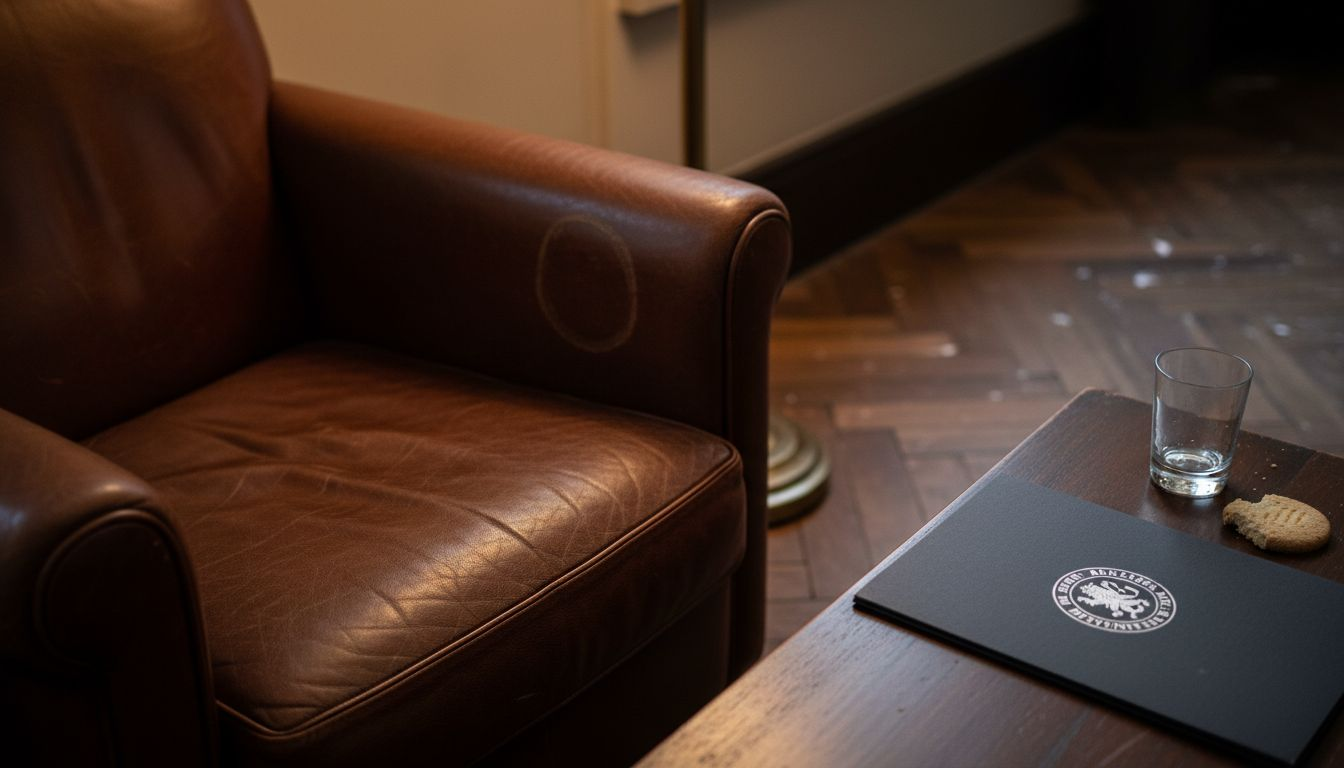
Compared to fabric decor, leather proves more durable and significantly easier to clean. Spills wipe away without staining, and the material resists wear that degrades fabric over months. This durability translates to lower replacement costs and reduced maintenance interruptions that disturb guests.
| Aspect | Bespoke Leather | Fabric Alternatives |
|---|---|---|
| Durability | 10+ years with care | 3-5 years typical |
| Maintenance | Wipe clean, occasional conditioning | Regular deep cleaning required |
| Luxury perception | Immediate premium signal | Varies by quality tier |
| Customization | Extensive branding options | Limited by printing methods |
| Sustainability | Long lifespan reduces waste | Frequent replacement increases waste |
Bespoke leather allows unique customization reflecting your brand identity precisely. Embossing, color matching, and texture selection ensure every piece reinforces your venue’s story. This level of personalization proves impossible with mass produced alternatives.
Leather adds multisensory engagement through distinctive touch and subtle aroma. Guests notice quality leather immediately, even if they cannot articulate why it feels superior. This sensory richness elevates ordinary interactions like reviewing menus into memorable luxury moments.
The material supports sustainability by lasting far longer than disposable alternatives. A well crafted leather menu cover serves guests for years, avoiding the waste cycle of frequently replaced paper or cheap plastic versions.
Pro Tip: Source leather from suppliers emphasizing premium craftsmanship and ethical production. Guests increasingly value sustainability stories, and quality leather provides a compelling narrative about investment in lasting excellence rather than disposable convenience.
Key advantages for luxury venues:
- Immediate tactile feedback confirming premium positioning
- Simplified cleaning protocols reducing staff time
- Brand expression through customized detailing
- Longevity justifying initial investment
- Sensory richness differentiating guest experience
Connection Between Decor and Brand Identity
Cohesive decor reflects and amplifies your brand story and core values. Every design choice either reinforces or contradicts the narrative you communicate through marketing. Guests subconsciously assess whether visual promises match physical reality, and inconsistency breeds distrust.
Guest emotional connection improves dramatically with consistent design language across all touchpoints. When bespoke leather gifts in guest rooms echo the aesthetic of restaurant table settings, guests perceive intentional excellence rather than random choices. This consistency builds confidence in your attention to detail.
Brand aligned decor differentiates your venue from competitors offering similar services. Generic hotel rooms blur together in guest memory, but distinctive design creates mental anchors. Unique leather elements become visual signatures guests associate exclusively with your establishment.
Emotional loyalty drives higher repeat guest rates and enthusiastic referrals. Research shows hotels with brand aligned decor achieve up to 25% higher repeat guest rates compared to venues with generic interiors. This loyalty premium directly impacts profitability through reduced acquisition costs and higher lifetime value.
Bespoke leather elements uniquely express brand craftsmanship and exclusivity. The material itself carries associations with heritage, quality, and permanence that align perfectly with luxury positioning. Custom details like embossed logos or signature colors transform functional items into brand ambassadors.
Consider these strategic applications:
- Consistent leather finishes across menus, coasters, and room accessories
- Color palettes that echo brand guidelines in tactile form
- Texture selections reflecting brand personality, from rugged to refined
- Customization details that tell your venue’s unique story
- Quality tiers matching guest expectations at different price points
The connection between decor and brand determines whether guests perceive authentic luxury or superficial attempts at elegance.
Common Misconceptions About Decor Investment
Many managers mistakenly view decor as purely visual without operational impact. This misconception ignores how material choices affect maintenance workflows, guest navigation, and staff efficiency. Well planned decor actually reduces complaints by over 15% by preventing friction points before they frustrate guests.
Another false belief suggests leather decor serves only aesthetic purposes. In reality, quality leather delivers exceptional durability and cost effectiveness over its lifetime. The higher initial investment pays back through years of service without replacement, unlike cheaper materials requiring frequent renewal.
Some venue managers doubt decor investment significantly boosts loyalty. Research contradicts this skepticism, demonstrating brand aligned decor can increase repeat guests by 25%. The emotional connections forged through consistent, quality design translate directly to business results.
Good decor improves guest comfort while simultaneously enhancing operational workflow. Clear visual hierarchies help guests find facilities independently, reducing staff interruptions. Durable materials minimize maintenance calls that disrupt guest stays.
Investing strategically in decor yields measurable business returns across multiple metrics:
- Reduced maintenance costs through durable material selection
- Higher review scores from improved guest comfort
- Increased repeat business via emotional brand connection
- Lower staff time managing guest navigation questions
- Enhanced perceived value justifying premium pricing
Pro Tip: Track specific metrics before and after decor updates to quantify ROI. Monitor review sentiment, repeat guest percentages, and maintenance incident rates. These data points transform leather customisation from perceived expense into documented investment with clear returns.
The misconception that decor lacks ROI persists only among managers who fail to measure its multifaceted impacts properly.
Trends and Practical Application in Luxury Hospitality
Regular decor updates boost online reviews and occupancy rates measurably. Hotels refreshing decor bi-annually increase positive reviews by 10 to 12%, demonstrating guests notice and reward contemporary design. Stale interiors signal neglect, while refreshed spaces communicate ongoing investment in guest experience.
Bespoke leather increasingly dominates luxury venues seeking distinctive character. The material’s versatility allows both classic and contemporary expressions, making it adaptable across diverse brand identities. Growing guest appreciation for sustainable, durable materials further drives this hospitality trend.
Sustainability profoundly influences decor choices and guest expectations. Modern travelers research environmental practices before booking, and sustainable materials become competitive advantages. Leather’s longevity positions it as an environmentally responsible choice compared to disposable alternatives.
Implement these strategic steps for effective decor modernization:
- Assess current decor against brand identity and guest feedback patterns
- Identify high impact touchpoints where customized leather elements enhance luxury perception
- Ensure material selections align with operational maintenance capacity
- Develop cohesive design language connecting all guest facing areas
- Plan refresh cycles maintaining contemporary relevance without constant overhaul
- Measure satisfaction metrics before and after updates to quantify impact
| Update Frequency | Positive Review Increase | Guest Perception |
|---|---|---|
| Annual | 10-12% | Contemporary, well maintained |
| Bi-annual | 15-18% | Cutting edge, luxury focused |
| Every 3+ years | 3-5% | Adequate but not memorable |
| Reactive only | Declining | Dated, neglected feeling |
This data from hotel interior design research demonstrates clear correlations between update frequency and guest satisfaction. The investment in regular refresh cycles pays dividends through improved reviews driving future bookings.
Current luxury hospitality trends favor authentic materials with compelling sustainability narratives. Bespoke leather perfectly addresses both demands, offering genuine luxury guests can see and feel while supporting environmental responsibility through longevity.
Conclusion and Strategic Recommendations
Prioritize decor as a strategic business asset rather than mere aesthetics. The evidence clearly demonstrates decor’s profound impact on guest satisfaction, loyalty, and operational efficiency. Treating interior design as infrastructure investment rather than discretionary spending transforms business outcomes.
Incorporate bespoke leather decor for combined luxury appeal and practical durability benefits. The material uniquely delivers multisensory richness while simplifying maintenance workflows. Its customization potential ensures perfect brand alignment across all guest touchpoints.
Ensure all decor choices align with brand identity and guest psychology principles. Consistency builds trust and emotional connection, translating to measurable loyalty premiums. Generic design sacrifices the differentiation that justifies premium pricing in competitive markets.
Plan regular decor updates maintaining competitive advantage and contemporary relevance. Bi-annual refresh cycles correlate with significant review score improvements and occupancy gains. Stagnant interiors signal neglect regardless of service quality.
Use decor strategically to enhance emotional guest connection and operational efficiency simultaneously:
- Select durable materials reducing maintenance interruptions
- Create clear visual hierarchies supporting independent guest navigation
- Invest in multisensory elements elevating perceived luxury
- Maintain brand consistency reinforcing identity at every touchpoint
- Track satisfaction metrics quantifying decor’s business impact
The venues achieving highest guest loyalty recognize decor as foundational to their value proposition, not superficial decoration.
Explore Bespoke Leather Decor Solutions with Leathera
Leathera offers bespoke leather decor crafted specifically to elevate luxury hospitality venues throughout London and the UK. Our genuine luxury leathers provide the premium quality and durability your guests expect.
Choose from extensive material options, finishes, and tailored accessories designed to enhance guest experience while reinforcing your brand identity. Our bespoke leather products for hotels and restaurants include menu covers, coasters, bill presenters, and place mats, all customizable to your specifications. Explore our luxury leather hotel room accessories to create cohesive design language across every guest touchpoint. Each piece combines functional excellence with the sensory richness that distinguishes truly memorable luxury hospitality.
Frequently Asked Questions
Why does decor matter so much in luxury hospitality?
Decor creates the critical first impression within 7 seconds of guest arrival, setting expectations for the entire stay. Quality design communicates your commitment to excellence before any service interaction occurs. This initial perception influences satisfaction scores, review content, and likelihood of return visits or referrals.
How does leather decor specifically improve guest experience?
Leather engages multiple senses simultaneously through distinctive texture, subtle aroma, and visual richness that synthetic materials cannot replicate. This multisensory engagement registers as premium quality in guest perception, elevating ordinary interactions into memorable luxury moments. The material’s durability also ensures consistent quality throughout extended use.
What ROI can venues expect from bespoke leather decor investment?
Venues with brand aligned decor including quality leather elements achieve up to 25% higher repeat guest rates compared to generic interiors. Additionally, bi-annual decor updates correlate with 10 to 12% increases in positive online reviews. The longevity of leather reduces replacement costs, with properly maintained pieces serving 10 plus years versus 3 to 5 years for fabric alternatives.
How often should luxury venues update their decor?
Research indicates bi-annual refresh cycles produce optimal results, increasing positive reviews by 15 to 18% while maintaining contemporary relevance. However, durable elements like bespoke leather accessories require less frequent replacement, allowing strategic updates focused on high impact areas. Balance freshness with the consistency guests expect from established luxury brands.
Can sustainable materials like leather support environmental goals?
Quality leather’s exceptional longevity makes it more sustainable than disposable alternatives requiring frequent replacement. A well crafted leather piece serving guests for over a decade generates far less waste than repeatedly replaced synthetic options. Modern guests increasingly value sustainability narratives, and durable materials provide compelling stories about investment in lasting quality over convenience.