Personalise Hospitality Leather Gifts: Boost Loyalty 20%
March 2, 2026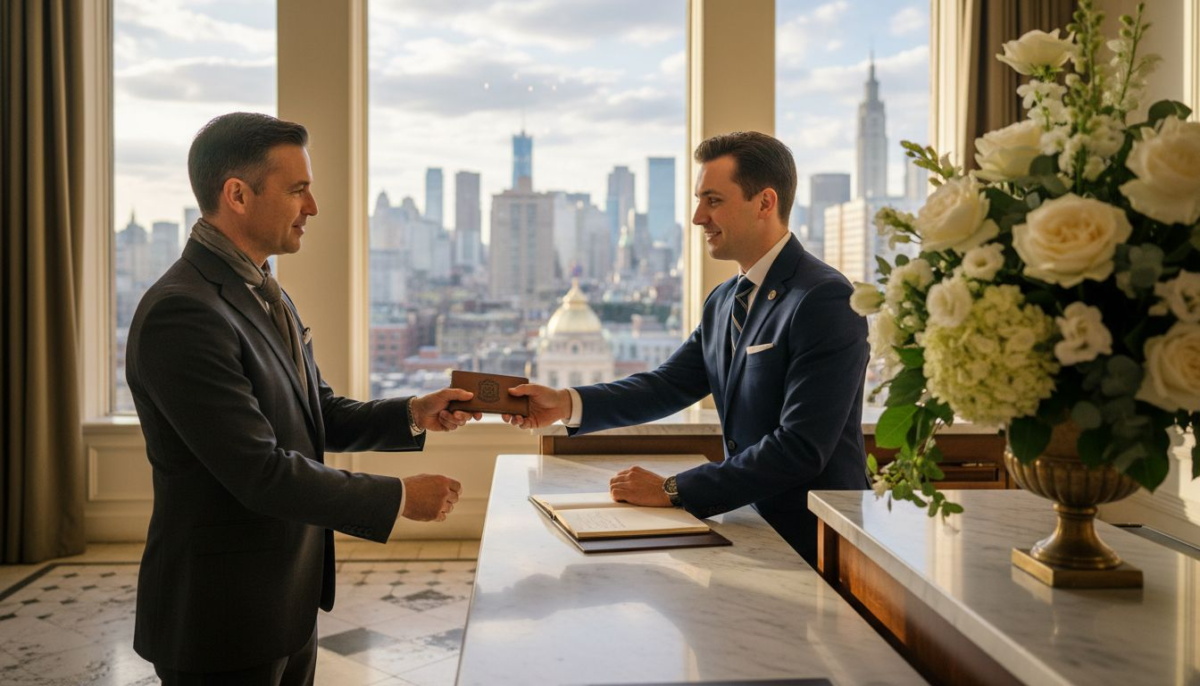
Seventy percent of luxury guests value personalized experiences that reflect brand uniqueness, making customization a critical differentiator in today’s competitive hospitality landscape. Bespoke leather accessories offer London venue managers a tangible way to enhance guest experiences while strengthening brand identity. This guide explores strategic benefits and practical implementation pathways for integrating customization into luxury hotels and restaurants.
Table of Contents
- Introduction To Customisation In Luxury Hospitality
- Why Bespoke Leather Accessories Matter In Guest Experience
- Sustainability And Ethical Considerations In Leather Customisation
- Common Misconceptions About Customisation In Hospitality
- The Bespoke Customisation Process: From Venue Assessment To Delivery
- Practical Benefits And Brand Impact Of Bespoke Leather Accessories
- Enhance Your Hospitality Venue With LEATHERA’s Bespoke Leather Accessories
- Frequently Asked Questions
Key Takeaways
| Point | Details |
|---|---|
| Guest Satisfaction | Customization drives measurable increases in brand recall and satisfaction scores |
| Brand Alignment | Bespoke leather accessories create cohesive visual identity across venue touchpoints |
| Sustainability Integration | Ethical sourcing practices enhance reputation among eco-conscious luxury guests |
| Operational Efficiency | Strategic customization reduces long-term replacement costs through superior durability |
| Strategic Differentiation | Personalized design elements distinguish venues in competitive London hospitality market |
Introduction to Customisation in Luxury Hospitality
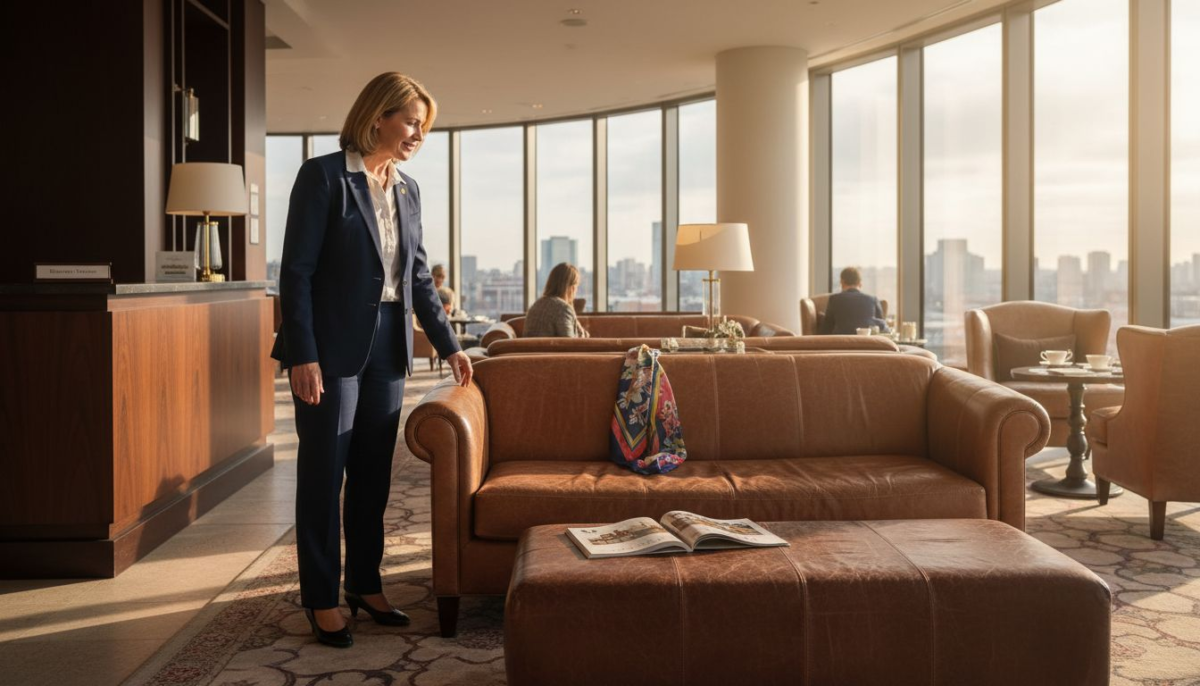
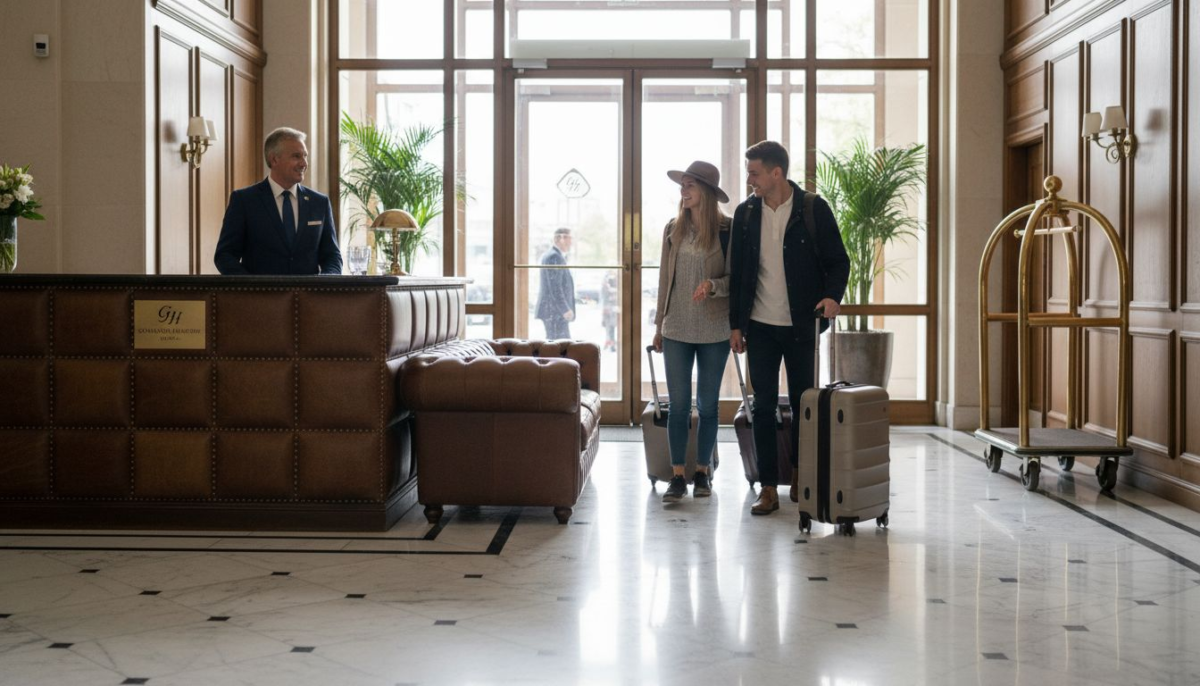
Customization in luxury hospitality is shifting from material possession to creating personalized and meaningful guest experiences that drive brand differentiation and loyalty growth. For venue managers, this means moving beyond generic decor to tailored elements that resonate with your specific clientele. Bespoke leather accessories serve as ideal vehicles for this transformation, offering both functional utility and aesthetic refinement.
The demand for personalized luxury experiences continues rising, particularly among Generations Y and Z who expect venues to reflect distinct character rather than cookie-cutter templates. This shift requires hospitality professionals to reconsider how every guest touchpoint contributes to overall brand perception. From menu covers to room accessories, each leather piece becomes an opportunity to communicate your venue’s values and attention to detail.
Effective leather customisation in luxury hospitality encompasses several strategic facets. Brand alignment ensures visual consistency across all guest interactions. Operational integration guarantees that customized items enhance rather than complicate daily workflows. Guest experience optimization creates memorable moments that translate into loyalty and positive word of mouth.
Consider how these elements work together in practice:
- Tailored aesthetics that mirror your venue’s architectural style and color palette
- Emotional engagement through tactile, handcrafted materials that guests notice and remember
- Durability specifications that withstand high-volume use without compromising appearance
- Sustainability credentials that align with luxury guests’ environmental expectations
By understanding these luxury hospitality trends, you position your venue to capitalize on customization’s strategic benefits. The key lies in viewing bespoke leather not as decorative add-ons but as integral components of your brand delivery system.
Why Bespoke Leather Accessories Matter in Guest Experience
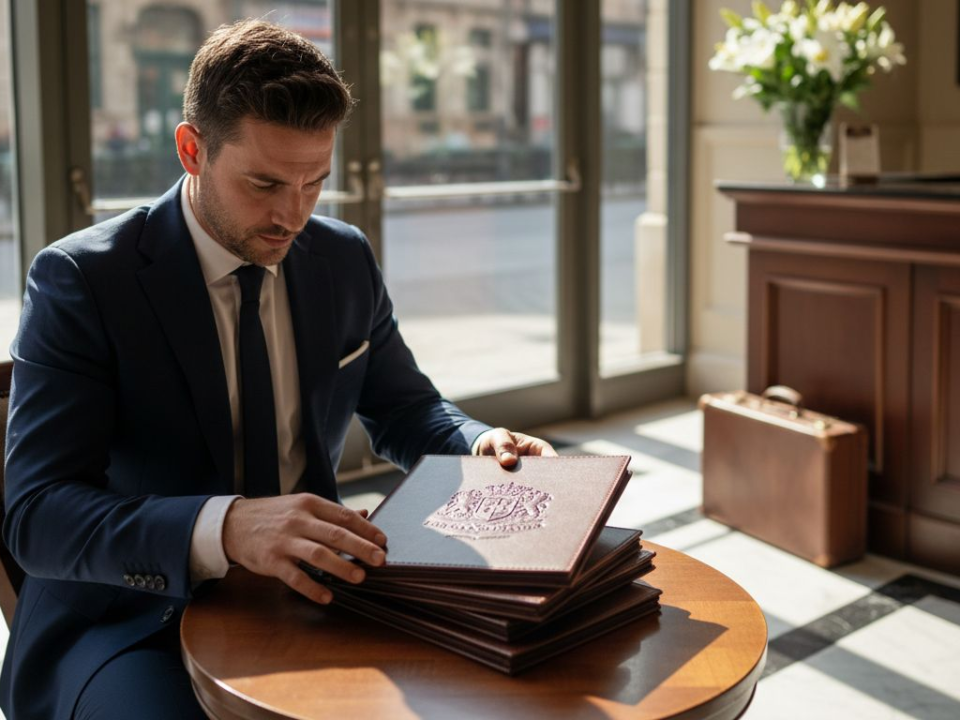
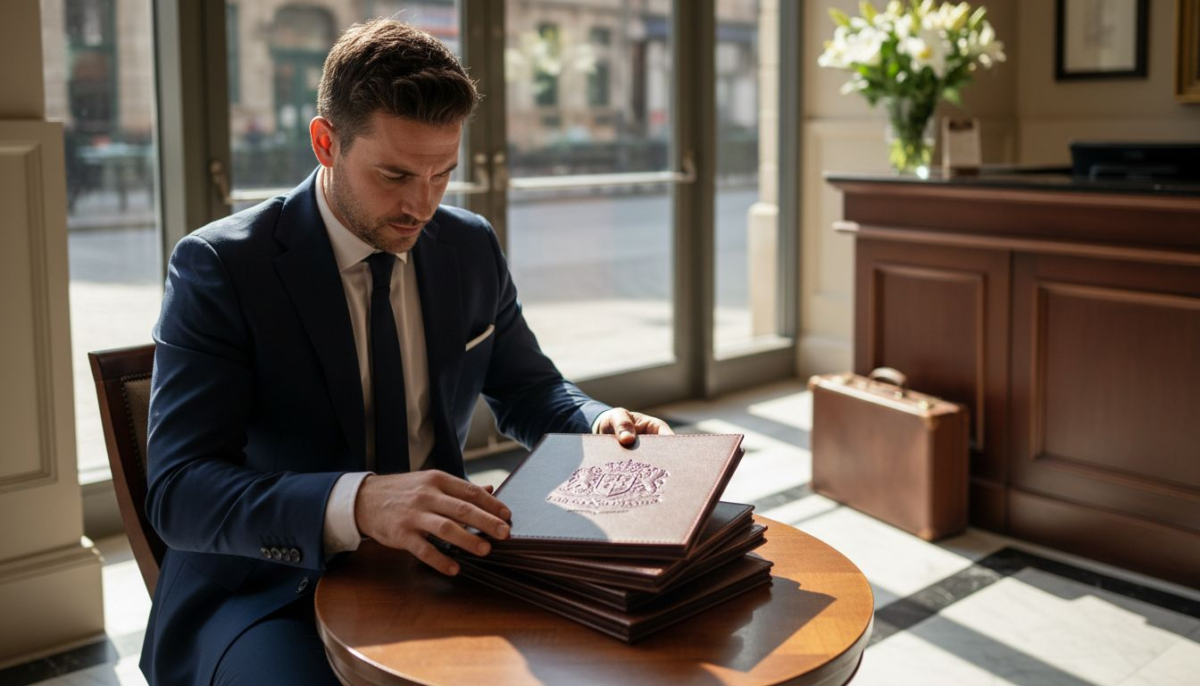
Bespoke leather products function as tangible brand expressions that guests interact with directly throughout their visit. Menu covers, coasters, bill presenters, and desk accessories create physical touchpoints where your venue’s identity meets customer hands. These items generate both visual impact and tactile engagement, activating multiple sensory pathways that strengthen memory formation.
Research demonstrates that hotels using bespoke design elements report up to 30% higher brand recall among guests compared to venues using standard furnishings. This improvement stems from the distinctiveness principle in cognitive psychology. When guests encounter customized leather items bearing your venue’s unique aesthetic, their brains encode these experiences as novel rather than generic. The result is stronger memory consolidation and increased likelihood of repeat visits.
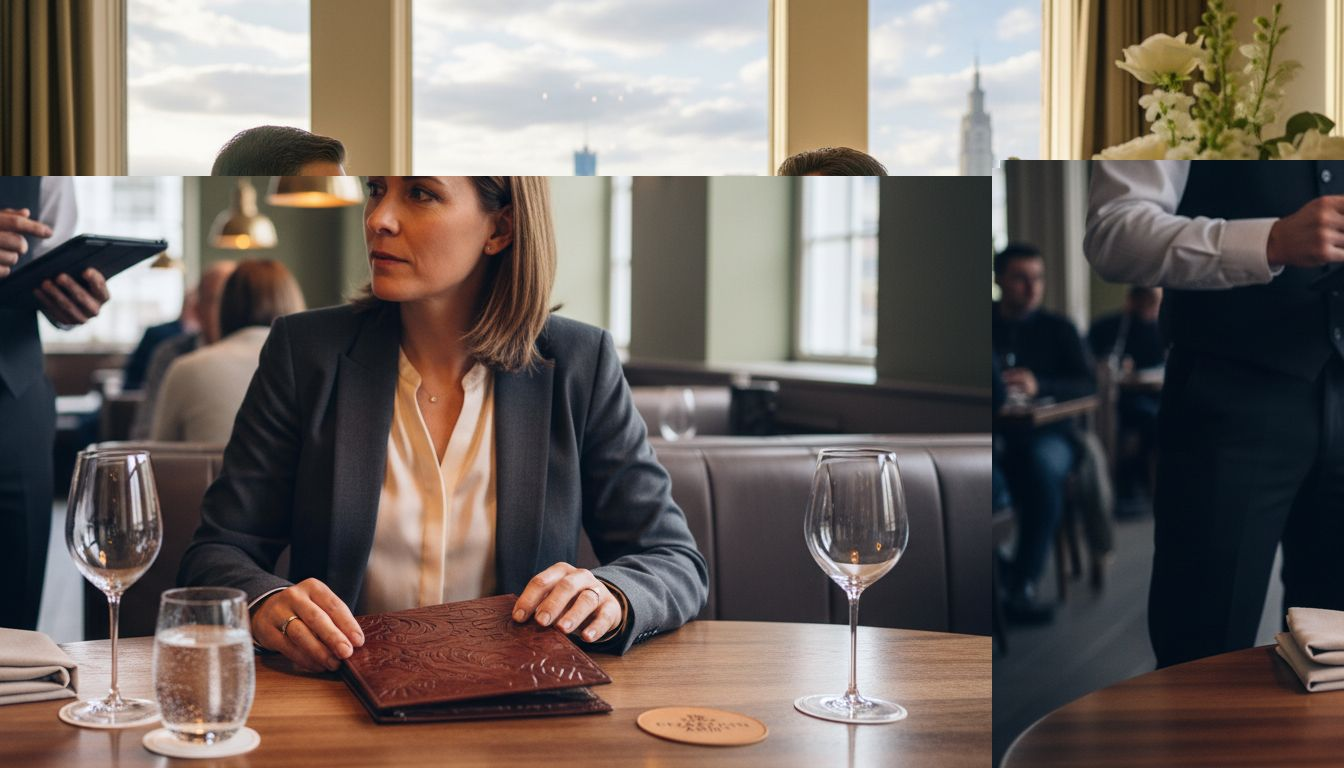
The benefits of bespoke leather decor extend beyond mere aesthetics to measurable satisfaction improvements. Studies tracking hospitality leather guest satisfaction data show 15 to 25 percent increases in positive feedback scores when venues transition from standard to customized accessories. Guests perceive greater attention to detail and interpret bespoke items as evidence of overall quality standards.
Common bespoke leather applications in luxury settings include:
- Menu covers with embossed venue logos and custom color matching
- Coasters featuring unique patterns that complement table settings
- Bill presenters that transform payment into a branded moment
- Room accessories like tissue box covers and writing pad holders
- Key card holders that guests appreciate and often keep as souvenirs
Each item serves dual functions: practical utility and brand reinforcement. A well-designed bill presenter does not merely hold a receipt; it delivers your final impression as guests conclude their dining experience. This moment matters because recency effects ensure that final interactions disproportionately influence overall satisfaction ratings.
Pro Tip: Focus on premium bespoke leather craftsmanship rather than merely adding logos to generic products. Guests quickly distinguish between superficial customization and genuine artisanship. Investing in hand-stitched details and premium leather grades signals commitment to quality that resonates with luxury clientele.
The emotional connection created through bespoke leather stems from several psychological mechanisms. Tactile engagement with quality materials activates pleasure centers in the brain. Visual consistency across touchpoints builds subconscious trust. The perceived exclusivity of custom items enhances guests’ sense of being valued rather than processed through a standardized system.
Sustainability and Ethical Considerations in Leather Customisation
Luxury guests increasingly scrutinize the environmental and ethical credentials of venues they patronize. This trend reflects broader consumer consciousness about supply chain practices and material sourcing. For hospitality managers, addressing these concerns through sustainably sourced leather enhances luxury brand reputation while meeting guest expectations.
Sustainable leather sourcing practices include several key elements. Vegetable tanning uses natural plant extracts rather than heavy metals, reducing environmental impact and producing leather with unique aging characteristics that luxury guests appreciate. Full traceability ensures you can verify that hides originate from ethical sources rather than contributing to deforestation or questionable animal welfare practices. Certified supply chains provide third-party verification of sustainability claims, giving you credible talking points when guests inquire about your venue’s environmental commitments.
The business case for sustainable hospitality materials extends beyond guest preference to operational advantages. Vegetable-tanned leather typically exhibits superior durability compared to chemically processed alternatives. This longevity translates to reduced replacement frequency and lower long-term costs despite potentially higher initial investment. You gain both ethical positioning and financial efficiency.
Guest loyalty increasingly correlates with environmental responsibility. Surveys of luxury travelers show that over 60 percent consider a venue’s sustainability practices when making booking decisions. By prominently featuring your commitment to ethically sourced bespoke leather accessories, you tap into this preference while differentiating from competitors still using conventional materials.
Key benefits of sustainable leather in hospitality contexts:
- Reduced environmental footprint through plant-based tanning processes
- Enhanced brand trust among environmentally conscious luxury demographics
- Guest preference alignment that influences booking and recommendation behaviors
- Long-term cost efficiency through superior material durability and aging characteristics
The connection between sustainability in luxury hospitality and bespoke customization creates a powerful value proposition. When you combine ethical sourcing with personalized design, you address both the emotional desire for uniqueness and the rational concern for responsible consumption. This dual appeal resonates particularly strongly with millennial and Generation Z luxury travelers who expect venues to reflect their values.
Implementing sustainable leather sourcing requires working with suppliers who prioritize transparency. Request documentation of tanning processes and hide origins. Verify certifications from recognized sustainability organizations. This due diligence protects your brand reputation while ensuring that your customization efforts genuinely deliver on ethical promises rather than engaging in greenwashing.
Common Misconceptions About Customisation in Hospitality
Several persistent myths discourage venue managers from pursuing bespoke leather customization despite its proven benefits. Understanding and correcting these misconceptions enables more informed decision-making about accessory investments.
-
Misconception: Customization only affects aesthetics, not functionality. Reality: Well-executed bespoke leather accessories enhance operational efficiency through precise sizing for specific use cases, material selection optimized for your cleaning protocols, and design features that streamline staff workflows. A custom bill presenter designed for your payment system works better than a generic alternative retrofitted to your needs.
-
Misconception: Bespoke products cost prohibitively more than standard alternatives. Reality: When you account for replacement frequency, customized leather items often deliver better value. Standard accessories typically require replacement every 18 to 24 months under heavy use. Quality bespoke pieces last five years or longer, reducing total cost of ownership despite higher upfront prices. Additionally, the brand differentiation and guest satisfaction improvements generate revenue increases that offset initial investment.
-
Misconception: Customization processes are too complex for busy operational environments. Reality: Experienced bespoke hospitality accessories providers manage complexity through structured processes including venue assessment, design iteration, and delivery coordination. Your involvement typically requires only initial consultation and periodic approval checkpoints. The provider handles manufacturing logistics, quality assurance, and delivery timing to minimize operational disruption.
These misunderstandings often stem from experiences with low-quality customization attempts or incomplete vendor research. When venue managers encounter poorly executed custom products that fail quickly or disrupt operations, they generalize these failures to all customization efforts. This reasoning error prevents them from accessing the genuine benefits that strategic, well-planned bespoke accessories provide.
Pro Tip: Evaluate bespoke leather products based on durability specifications and operational integration capabilities, not just visual appeal. Request samples for testing under actual use conditions. Verify that proposed materials withstand your venue’s specific cleaning products and usage intensity. This practical assessment prevents the common pitfall of selecting aesthetically pleasing items that prove impractical in daily operations.
The reality is that customization done right simplifies rather than complicates your operations. When accessories fit your exact needs rather than forcing you to adapt workflows to generic products, staff efficiency improves. When durability matches your usage patterns, you reduce replacement headaches. When design aligns with your brand, you eliminate the cognitive dissonance that occurs when venue elements clash stylistically.
The Bespoke Customisation Process: From Venue Assessment to Delivery
Successfully implementing bespoke leather accessories requires following a structured process that ensures alignment between your vision and the final products.
-
Venue Assessment: Begin with comprehensive evaluation of your space, brand identity, and operational requirements. Document color schemes, architectural styles, existing decor elements, and functional needs for each accessory type. Identify specific pain points with current items that customization should address. This groundwork prevents misalignment between expectations and deliverables.
-
Artisan Collaboration: Engage with experienced leather craftsmen who specialize in hospitality applications. Share your assessment findings and discuss material options, design possibilities, and timeline requirements. Effective communication at this stage requires providing visual references, explaining your brand positioning, and articulating both aesthetic and functional priorities. Request design mockups and material samples for approval before committing to full production.
-
Quality Assurance: Establish clear quality standards and inspection protocols. Specify acceptable tolerances for stitching consistency, color matching, and dimensional accuracy. Request prototype pieces for testing under actual use conditions before approving full order production. This validation step catches potential issues while they remain easily correctable.
-
Delivery Management: Coordinate delivery timing to minimize operational disruption. Plan for staff training on proper care and maintenance of new leather items. Implement a systematic rollout across different venue areas rather than attempting simultaneous replacement of all accessories. This phased approach allows you to refine processes and address any unexpected challenges before full implementation.
| Criteria | Bespoke Customisation Process | Standard Accessory Procurement |
|---|---|---|
| Design Flexibility | Full control over materials, colors, dimensions, and branding elements | Limited to available catalog options |
| Quality Control | Direct involvement in material selection and prototype approval | Accept manufacturer’s standard quality |
| Brand Alignment | Perfect match to venue identity through collaborative design | Compromise between available options and brand needs |
| Delivery Timeline | 6-12 weeks for design, production, and delivery coordination | 1-3 weeks for in-stock items |
Understanding these process differences helps you set realistic expectations and plan accordingly. The longer timeline for bespoke work reflects the care required to deliver truly customized results rather than superficially branded standard products. This investment in process translates directly to superior outcomes that justify the additional planning required.
Pro Tip: Conduct your venue assessment at least three months before you need new accessories in place. This buffer accommodates design iterations, prototype testing, and any necessary revisions without creating deadline pressure that compromises quality. Early assessment also prevents the common mistake of rushing into production with incomplete specifications that lead to disappointing results.
The bespoke leather gifts guide and resources on selecting luxury leather accessories provide additional frameworks for evaluating options and managing the customization journey. These tools help you ask the right questions during vendor selection and make informed trade-offs between competing priorities.
Practical Benefits and Brand Impact of Bespoke Leather Accessories
The strategic advantages of bespoke leather customization manifest across multiple dimensions of your hospitality operation. Quantitative improvements appear in measurable metrics while qualitative benefits enhance intangible aspects of guest experience and brand perception.
Custom hotel amenities, including bespoke leather accessories, increase repeat customer recognition by over 25% according to hospitality industry research. This recognition boost directly impacts booking behavior, with recognized guests showing significantly higher return rates than those with generic venue memories. The mechanism operates through enhanced memory encoding when guests interact with distinctive rather than forgettable touchpoints.
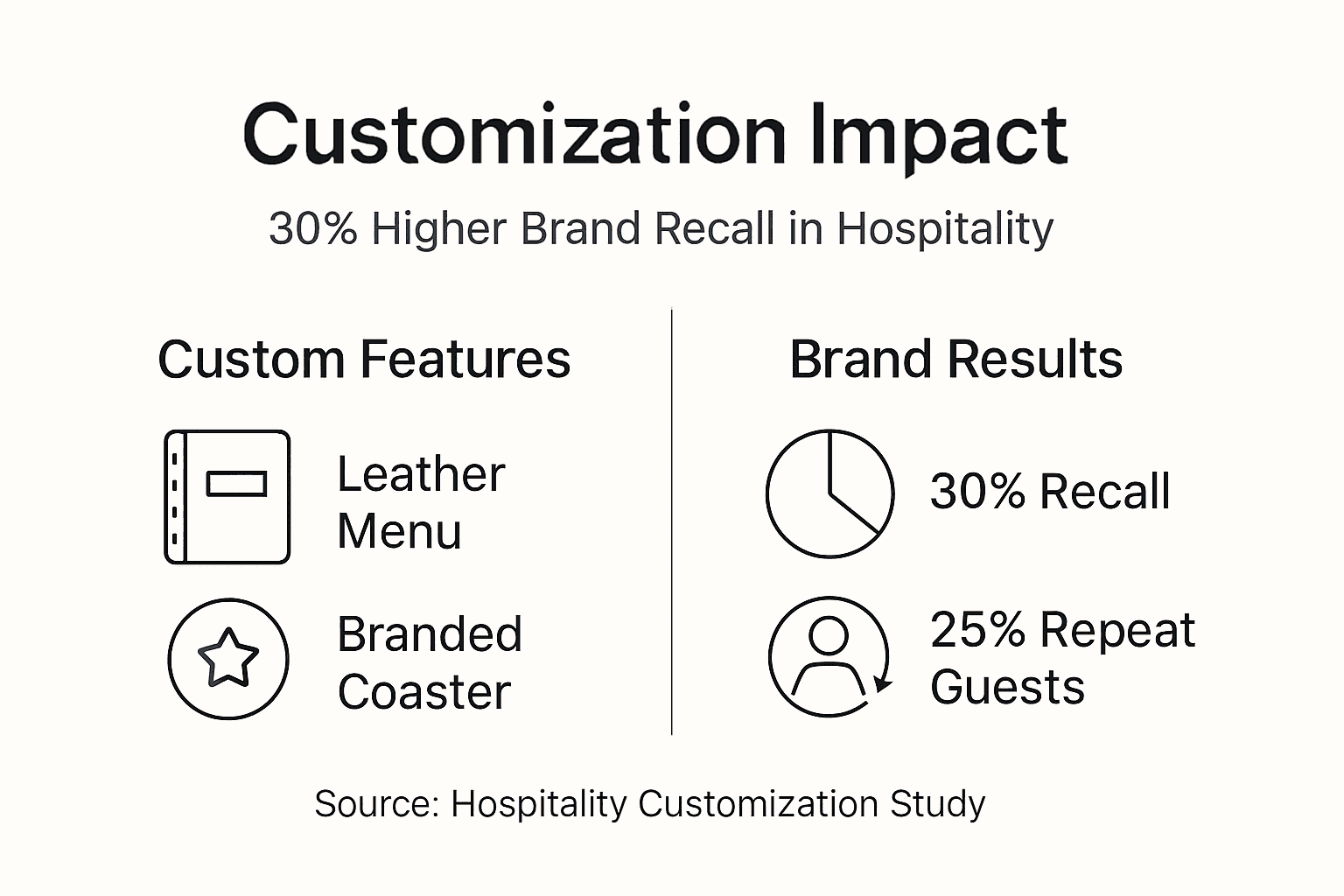
Long-term cost efficiencies emerge from the superior durability of quality bespoke leather items. While standard accessories might cost 40 percent less initially, their shorter lifespan and higher replacement frequency ultimately result in greater total expenditure over a five-year period. Additionally, the brand consistency maintained through customized items eliminates the visual discontinuity that occurs when you replace worn standard pieces with whatever alternatives happen to be available at replacement time.
Comprehensive benefits of strategic bespoke leather implementation:
- Brand exposure enhancement through every guest interaction with customized touchpoints
- Market differentiation that distinguishes your venue from competitors using generic accessories
- Guest loyalty cultivation via memorable experiences that trigger positive associations
- Value creation beyond functional utility through aesthetic and emotional engagement
- Cost optimization through reduced replacement cycles and maintained brand consistency
Bespoke leather items function as effective branded touchpoints that extend your venue’s reach beyond the immediate visit. Guests frequently photograph distinctive custom accessories and share these images on social media, generating organic marketing exposure. Some items like key card holders become keepsakes that guests retain, providing ongoing brand reminders long after checkout.
The intangible benefits deserve equal consideration alongside quantifiable metrics. Emotional engagement occurs when guests perceive genuine craftsmanship and attention to detail. This perception influences their overall quality assessment of your venue, creating a halo effect where bespoke accessories positively color judgments about other aspects of their stay. The exclusivity perception generated by custom items makes guests feel valued rather than processed through a standardized system.
Exploring options to boost guest loyalty with bespoke leather reveals additional strategic applications beyond the basic accessories discussed here. The principles remain consistent: customization creates distinctiveness, distinctiveness enhances memory, and enhanced memory drives loyalty behaviors. When you explore luxury bespoke leather products, you access tools for implementing these principles systematically across your venue.
The custom hotel amenities study demonstrates that venues implementing comprehensive customization programs see compound benefits exceeding the sum of individual accessory improvements. This synergy effect occurs because consistency across multiple touchpoints reinforces brand identity more powerfully than isolated custom items surrounded by generic alternatives.
Enhance Your Hospitality Venue with LEATHERA’s Bespoke Leather Accessories
LEATHERA specializes in creating premium bespoke leather accessories specifically designed for luxury hospitality venues throughout London. We understand the unique demands of high-end hotels and restaurants where every detail contributes to guest experience and brand perception.
Our bespoke leather products for hotels and restaurants include fully customizable menu covers, coasters, bill presenters, and room accessories crafted from genuine luxury leather materials in colors and finishes that perfectly match your venue’s identity. Each piece reflects meticulous handcrafted quality that discerning guests notice and appreciate. By partnering with LEATHERA, you gain access to experienced artisans who translate your brand vision into tangible leather accessories that boost guest loyalty with bespoke leather solutions tailored to your specific requirements. Transform your venue’s guest experience and elevate your brand prestige with customization that makes a lasting impression.
Frequently Asked Questions
What types of leather accessories can be customized for luxury venues?
You can customize virtually any leather accessory including menu covers, wine lists, bill presenters, coasters, placemats, desk accessories, tissue box covers, key card holders, and room service trays. Each item can be tailored with specific colors, textures, stitching patterns, embossing, and branding elements that align with your venue’s aesthetic.
How does bespoke leather customization improve guest loyalty?
Custom leather accessories create memorable touchpoints that distinguish your venue from competitors, leading to stronger brand recall and emotional connections. When guests interact with high-quality bespoke items throughout their visit, they perceive greater attention to detail and overall quality, which translates into increased satisfaction scores and higher return rates.
What is the typical lead time from design to delivery for bespoke leather items?
The complete process typically requires six to twelve weeks from initial consultation through final delivery. This timeline includes venue assessment, design development, prototype creation, your approval cycles, full production, quality inspection, and coordinated delivery. Rushing this process compromises quality, so planning ahead ensures optimal results.
Can bespoke leather accessories be made sustainably?
Yes, sustainable bespoke leather uses vegetable tanning processes, ethically sourced hides with full traceability, and certified supply chains that meet environmental standards. These practices reduce ecological impact while producing leather with superior aging characteristics and durability that luxury guests appreciate and value.
How do I ensure the customization fits my venue’s brand identity?
Begin with thorough documentation of your color schemes, architectural styles, existing decor elements, and brand positioning. Work with experienced artisans who specialize in hospitality applications and can translate your vision into practical designs. Request material samples and design mockups for approval before production, and consider the bespoke hospitality accessories guide for additional frameworks on aligning customization with brand identity.